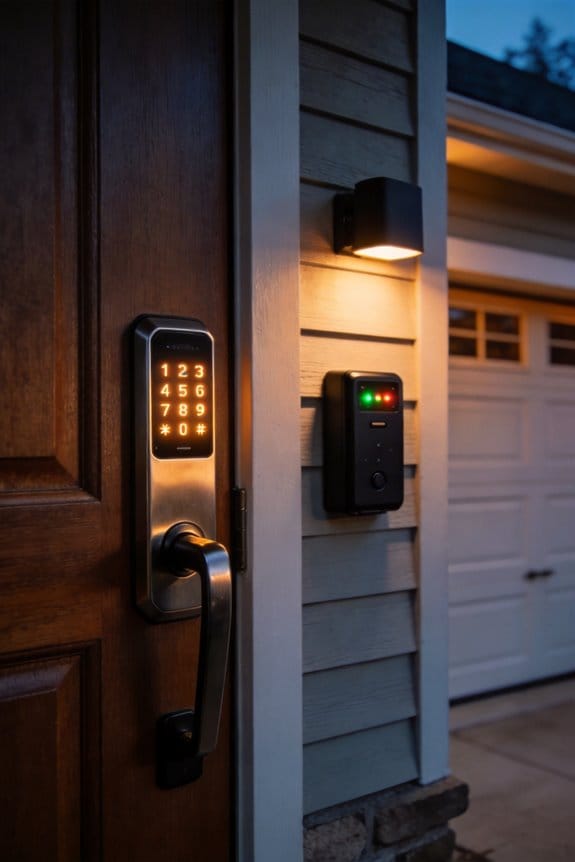

Smart lock timestamps create server-generated, immutable records of custody hand-offs that courts treat as objective evidence—more credible than subjective accounts or screenshots. You’ll find these cryptographic logs resist tampering because they’re timestamped independently at the moment of access, not reconstructed later. To guarantee admissibility, you’ll need proper consent, documented chain of custody, and forensic preservation of original files. Courts prefer this tamper-resistant data over alternative evidence types. Understanding how to collect, preserve, and present these records strategically strengthens your case considerably.
Key Takeaways
- Smart lock timestamps provide objective, immutable proof of custody exchange times that courts strongly prefer over subjective parental accounts.
- Legal access to smart lock data requires proper consent and varies by state; unauthorized access renders evidence inadmissible in court.
- Maintain detailed chain of custody documentation including digital signatures and forensic hash values to establish evidence authenticity and credibility.
- Present smart lock evidence with forensic reports, manufacturer specifications, and expert testimony to demonstrate timestamp reliability to judges.
- Ensure proper evidence collection, secure storage, and clear documentation of all personnel handling data to strengthen legal standing in disputes.
How Smart Lock Timestamps Prove Custody Hand-Off Compliance
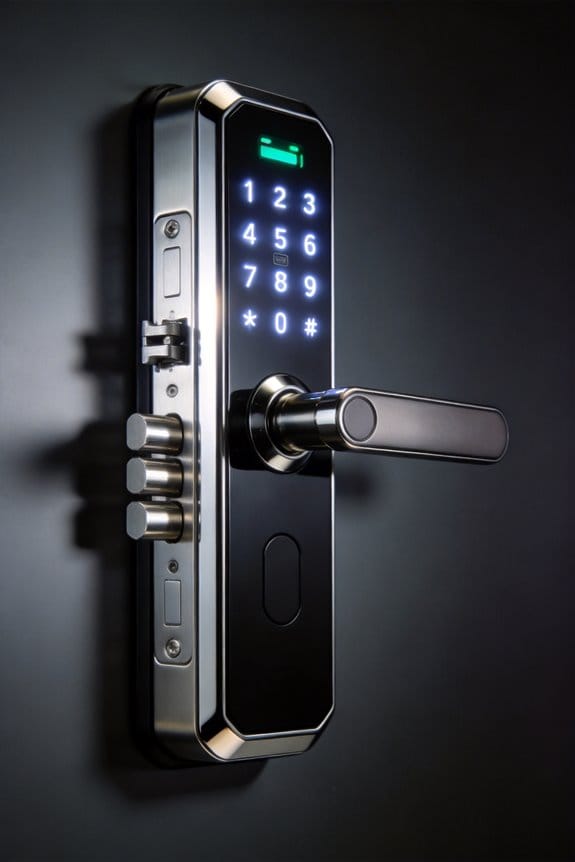
When custody exchanges go wrong, it often comes down to one question: who’s telling the truth about what happened and when? Smart locks might seem like an odd solution to a parenting problem, but they’re actually becoming pretty common in custody situations. These devices create timestamped records that courts actually trust—and that can make a real difference if you’re dealing with a custody dispute.
August Smart Lock Pro runs about $199–$249, while Google Nest x Yale Lock costs around $299. Both log every single entry and exit with minute-by-minute accuracy. So if your custody agreement says pickups happen at 3 p.m., the lock doesn’t lie about whether someone showed up at 2:45 or 3:30.
Here’s why courts care about this evidence: the data lives in the cloud and stays there. It doesn’t get deleted when someone resets the device, and the encryption prevents tampering. You can’t fake a timestamp the way you might dispute a text message or a phone call.
Try this if you’re considering it: Make sure both parents have access to the lock, and keep the cloud records backed up regularly. The best part is that you don’t need to argue about “he said, she said” anymore—you’ve got documentation.
So, why does this actually matter in court? Because judges see objective proof instead of competing stories. When one parent claims they waited for 20 minutes and the other denies it ever happened, the lock’s timestamp settles it. Honestly, it removes a lot of the emotional back-and-forth that makes custody disputes so draining.
The bottom line: if custody handoffs have become contentious, a smart lock gives you clear, verifiable proof of who was there and when. Doesn’t that sound better than endless conflict over the same issue?
Why Courts Accept Digital Lock Data as Credible Evidence
Why Courts Accept Digital Lock Data as Credible Evidence
So you’re worried about custody disputes and wondering what evidence actually holds up in court? Smart locks might be your answer.
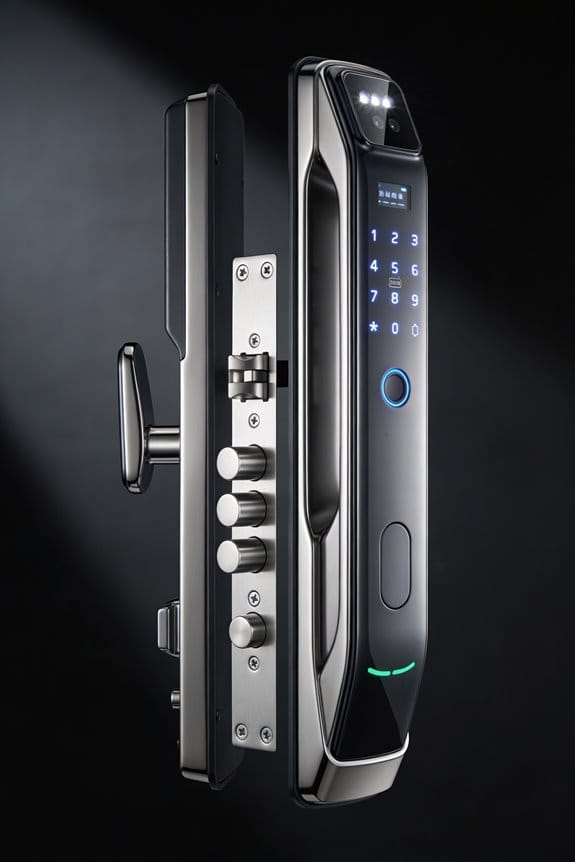
When judges look at custody cases, they’re hunting for proof they can trust. That’s where smart lock data comes in. Three things make this evidence stick: it can’t be changed after the fact, someone independent verified it, and experts can dig through it to confirm everything’s legit.
Here’s the thing about manufacturers like August and Nest—they keep encrypted logs on their servers that courts recognize as solid evidence. Why? Because you can’t go back and tweak the timestamps without leaving a trail. The system creates cryptographic hashes (think of them as unique digital fingerprints), and forensic tools like X1 Social Discovery can verify them during investigation.
When you show a judge lock data along with the metadata chain, you’re giving them something powerful: corroborating proof of who accessed the home, when they arrived, how long they stayed, and whether visitation schedules were followed. This beats a handwritten calendar or your word against someone else’s any day.
Frankly, the technical setup itself does the heavy lifting. Cloud-based systems with immutable ledgers meet what courts need to accept evidence legally. Each transaction gets timestamped by independent servers, so nobody can claim the records were manipulated manually.
The bottom line? Smart lock logs are substantially more credible than handwritten documentation because the technology itself prevents tampering. Have you considered how this kind of evidence might strengthen your own custody situation?
Legal Requirements for Collecting Smart Lock Records Admissibly
Legal Requirements for Collecting Smart Lock Records Admissibly
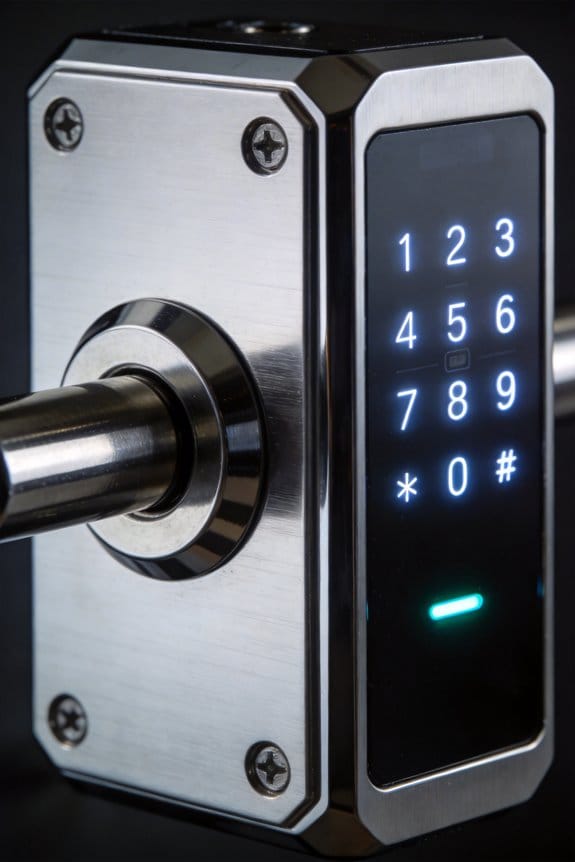
Got a custody dispute on your hands? Smart lock data can make or break your case in court. But here’s the catch—judges won’t look twice at evidence that wasn’t collected the right way. So let’s talk about what actually matters when you’re gathering this stuff.
Getting Access the Legal Way
You can’t just grab data from someone else’s smart lock system. That’s a no-go. Instead, pull records directly from your own device account or request them through proper discovery channels in your case. The key difference? One’s legal, the other lands you in trouble.
Why does this matter? Because courts care less about *what* you have and more about *how* you got it. If a judge suspects the data came from unauthorized access, everything else you present becomes worthless.
Consent Rules Are Different Everywhere
Frankly, this part trips people up. Texas law (as of 2023) requires actual, effective consent before you can track someone’s location data. But flip to another state, and you might hit stricter rules—especially for audio recordings, where some places demand that both parties know they’re being recorded.
Check your state’s specific laws before you do anything. A few minutes of research now saves you from having your evidence tossed out later.
Document Everything Carefully
Build a chain of custody like your case depends on it—because it does. Write down the date, time, and exact method you used to collect each record. If you took screenshots, make sure they include full metadata and timestamps, not just the pretty picture part.
Try this: use forensic tools like X1 Social Discovery, which preserves authentication hashes and other technical proof that the data hasn’t been tampered with. Courts recognize properly documented digital evidence as more reliable than handwritten notes, provided you follow these steps.
The best part? Your meticulous documentation actually strengthens your credibility in front of a judge. It shows you weren’t careless.
Honestly, the process isn’t as complicated as it sounds once you map it out. Stick to these safeguards, and you’ll have evidence that holds up.
Building a Chain of Custody for Timestamped Access Logs
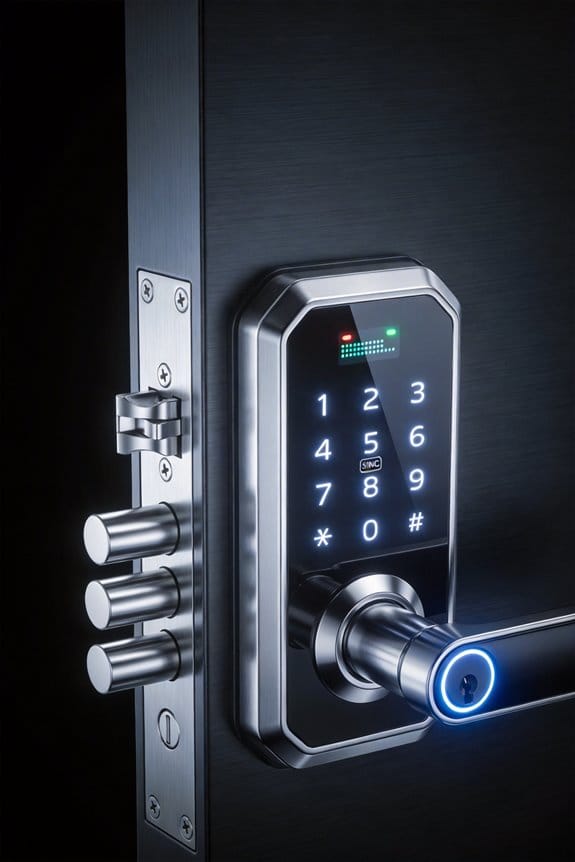
Building a Chain of Custody for Timestamped Access Logs
So you’ve got your smart lock records legally—now what? The hard part isn’t collecting the data; it’s proving you didn’t mess with it. That’s where a solid chain of custody comes in.
Start by creating a detailed evidence log. Write down the date you collected everything, the lock model, and exactly which access logs you pulled. Take full screenshots of the device records, making sure all the metadata and timestamp info are visible. Don’t crop, edit, or clean anything up.
Here’s the trick: store the original files in secure cloud storage with restricted access. At the same time, keep a paper trail documenting every single person who handled the evidence and when. Label each document with the date, time, and your initials. This sounds tedious, but it matters more than you’d think.
Why does this matter? Because courts don’t just want your word that the data is authentic. They want proof. Forensic hash values and digital signatures show that the records haven’t been tampered with since you collected them. Don’t stress about understanding the technical side—the court recognizes these tools as legitimate verification methods.
The unbroken chain of custody is what makes raw access logs acceptable in court. Every step you document—collection, storage, handling—strengthens your evidence. Think of it as building a story that a judge can trust, piece by piece.
One more thing: don’t skip the details. Honestly, the cases that fail do so because someone got lazy with documentation. You’re not just collecting data; you’re creating a legal record that can hold up under scrutiny.
What would convince you that evidence hadn’t been altered? That’s what you’re building here.
Smart Locks vs. Ring Footage: Which Evidence Works Best?
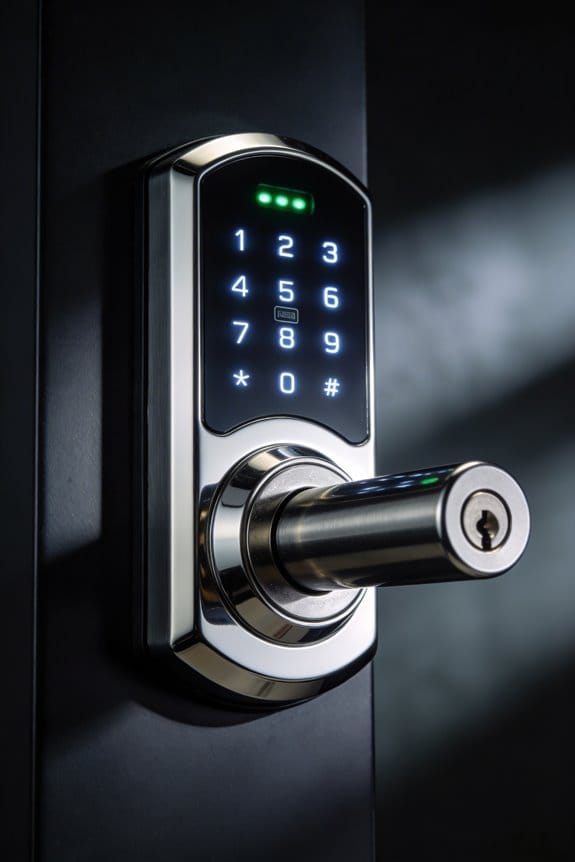
Smart Locks vs. Ring Footage: Which Evidence Works Best?
So you’re in the middle of a custody hand-off, and things get messy. One parent claims the other showed up late. The other swears they were on time. How do you prove what actually happened? That’s where your phone’s smart lock and your doorbell camera come in—but they tell different stories.
Smart lock access logs give you something courts love: exact timestamps. When your August or Nest lock records who entered and when, there’s almost no room for argument. The data sits in the cloud automatically, which means it’s harder to mess with than a piece of paper. Frankly, judges recognize this kind of digital proof because it’s straightforward and difficult to fake.
Ring footage does something different. It shows *what actually happened*—the tone of the exchange, whether someone was rushed, if the kids were ready. Video captures context that a timestamp can’t. But here’s the catch: video quality depends on your camera angle, whether it’s sunny or dark outside, and how compressed the file is. You might get grainy footage that raises more questions than it answers.
Truth is, there’s a legal wrinkle with Ring footage too. Depending on where you live, recording audio without consent can get you in trouble. Smart lock data? It’s just data—nobody’s recording anyone. So why does this matter? Because one piece of evidence alone might leave gaps.
Try this: Use both together. Your lock log shows the *when*. Your Ring footage shows the *what*. Courts actually respect this layered approach because it removes doubt. One parent can’t argue about the timestamp, and the other can’t claim the footage is taken out of context.
The best part is that combining these tools gives you real protection. You’re not relying on memory or he-said-she-said anymore. You’ve got proof that works.
What would help you feel more confident in your next hand-off?
Common Pitfalls That Get Timestamp Evidence Excluded
Common Pitfalls That Get Timestamp Evidence Excluded****
You’ve got Ring footage and smart lock data—great. But here’s the thing that trips people up: how you collect, store, and present that evidence matters just as much as having it in the first place. Courts will throw out your timestamp evidence if it’s been handled improperly, and suddenly all that work goes nowhere.
Let’s start with the biggest culprit: timestamp manipulation. This can happen on purpose, sure, but most of the time it’s accidental. Your devices sync wrong, or someone doesn’t realize they’ve adjusted a time zone. Either way, the moment a judge suspects the timestamps have been altered, your credibility takes a hit—and it’s hard to recover from that.
Unauthorized access is another deal-breaker. If you logged into the other parent’s smart lock account without permission, that evidence gets tossed out, period. It doesn’t matter how accurate the data is. You’ve violated consent laws, and the court won’t touch it.
Documentation is everything. You need an unbroken chain of custody for your digital evidence. Forensic investigators call this the “chain of custody,” and it means you can trace exactly who accessed what, when, and how. No gaps. No guessing. If you can’t document that chain, the judge won’t accept the evidence.
Screenshots alone won’t cut it either. A screenshot of a timestamp looks easy to fake. You need the underlying device logs—the actual data—to back it up.
So what actually works? Try this: Follow Texas 2023 consent requirements carefully. Keep verifiable logs from day one. Document your access methods. Store everything securely and don’t alter anything, not even accidentally.
The bottom line? Courts want to see a clear, unaltered digital trail showing you accessed everything legally, your timestamps are accurate, and your documentation is complete. Do that, and your smart device evidence will hold up.
How to Present Smart Lock Evidence to Judges
How to Present Smart Lock Evidence to Judges
So you’ve collected and documented your smart lock evidence—now comes the hard part. You need to present it to a judge in a way that actually sticks. How do you convince someone trained in law, not technology, that your digital evidence is solid?
Build Your Case on Technical Credibility****
Start with forensic reports that show access logs with precise timestamps (we’re talking millisecond accuracy here). Include the manufacturer’s specs and solid chain-of-custody paperwork. These three things together tell a judge: “This device is reliable, and nobody messed with it.” Think of it like building a house—you need a strong foundation before anything else matters.
Honestly, judges are getting smarter about smart home devices every year. But they still need you to do the heavy lifting. That means an expert should verify the device actually works the way you’re claiming it does.
Show, Don’t Just Tell
Timestamped screenshots with full metadata are your best friends here. Don’t just drop raw data on a judge and hope they figure it out. Instead, try this: create a comparative timeline that lines up your smart lock entries with other evidence—geolocation data, school records, witness statements, whatever corroborates your story.
Visual demonstratives matter more than you’d think. Complex digital information looks like alphabet soup to most people. A clean, chronological chart? That’s something a judge can actually follow.
The Organization Trick
Pair organized summaries with your raw data files. Judges want both. Why? Because it shows you’re confident enough to let them dig deeper if they want to. Give them the easy version first, then back it up with the actual files.
Truth is, don’t stress too much about technical complexity. Just make sure everything’s laid out clearly and you’ve got an expert ready to explain anything that comes up.
What’s your biggest concern about presenting this evidence—the technical side or getting a judge to trust it in the first place?
When Court-Ordered Monitoring Replaces Voluntary Tracking
When Court-Ordered Monitoring Replaces Voluntary Tracking
What happens when a custody case moves beyond handshake agreements and enters the courtroom? That’s when electronic monitoring becomes mandatory instead of optional.
There’s a real difference between agreeing to let your ex track your location and having a judge order it. When a court mandates monitoring, you’re dealing with GPS devices, alcohol monitors, or geofencing apps—but now there’s legal teeth behind it. The judge’s order carries weight that a voluntary arrangement never does.
Why does this shift matter? Frankly, it changes everything about how the evidence gets used later. Court-ordered monitoring gets treated differently in legal proceedings. Here’s the thing: those privacy arguments that might work against voluntary tracking don’t apply anymore. You can’t just say “I didn’t agree to this” when it’s in the court order.
Enforcement gets serious. Tampering with a court-ordered device isn’t just breaking an agreement—it’s contempt of court. That distinction carries real consequences.
The documentation piece is huge. Compliance reports automatically become admissible evidence without the messy chain-of-custody issues that sometimes come up with voluntary systems. The court-approved vendors handle standardized reporting, so there’s no guessing about whether the data counts or not.
In my experience, courts appreciate this clarity. The evidence is reliable. There’s no debate about whether the monitoring was legitimate. It either happened under judicial authority, or it didn’t.
Frequently Asked Questions
Can Smart Lock Data Prove a Parent Deliberately Prevented the Other’s Scheduled Access?
Can a locked door speak louder than words? I’d argue smart lock reliability provides irrefutable timestamps showing when someone was denied entry, directly supporting custody agreement enforcement and proving intentional interference with visitation rights.
What Happens if Smart Lock Timestamps Conflict With the Other Parent’s Location Data?
When smart lock timestamps conflict with location data, I’d present both sources to your judge—they’ll weigh each data reliability factor and timestamp accuracy against the other. Courts typically favor corroborating evidence, so inconsistencies might require expert testimony explaining the discrepancy’s cause.
Are Smart Lock Records Admissible if the Non-Custodial Parent Installed the Device?
I’d recommend courts scrutinize smart lock installation closely—if the non-custodial parent installed it without consent, admissibility becomes questionable. You’ll need to prove lawful access; otherwise, custody dispute implications could actually harm your case through exclusion.
How Far Back Can Courts Require Smart Lock History for Custody Disputes?
I’d say courts typically request smart lock historical data spanning your custody timeline—usually the past 12-24 months. They’ll want enough records to establish patterns of your access and compliance with visitation schedules during the relevant dispute period.
Does Using Smart Locks for Monitoring Violate Parental Rights or Privacy Laws?
Like walking a tightrope, smart lock monitoring treads carefully between parental rights and privacy concerns. You’re legally safe monitoring your own property, but you’ll need parental consent from your co-parent. Unlawful tracking risks serious legal consequences.