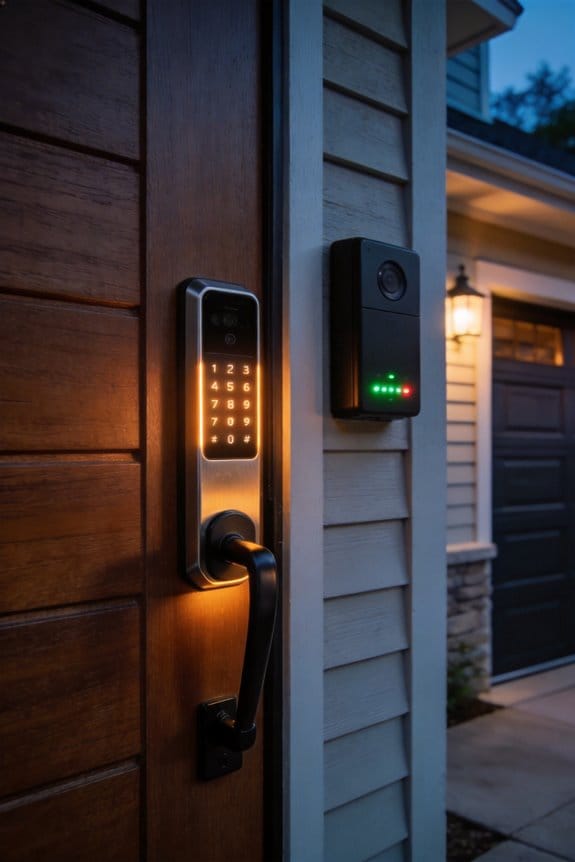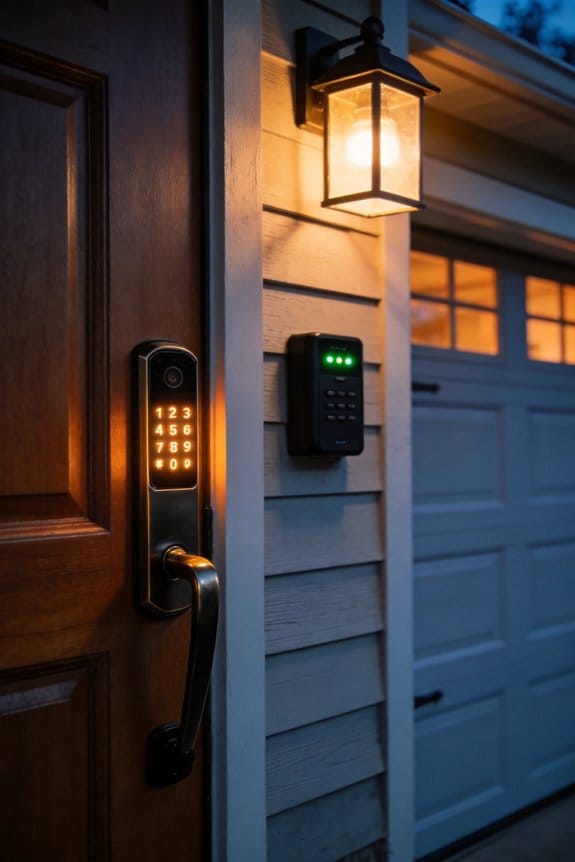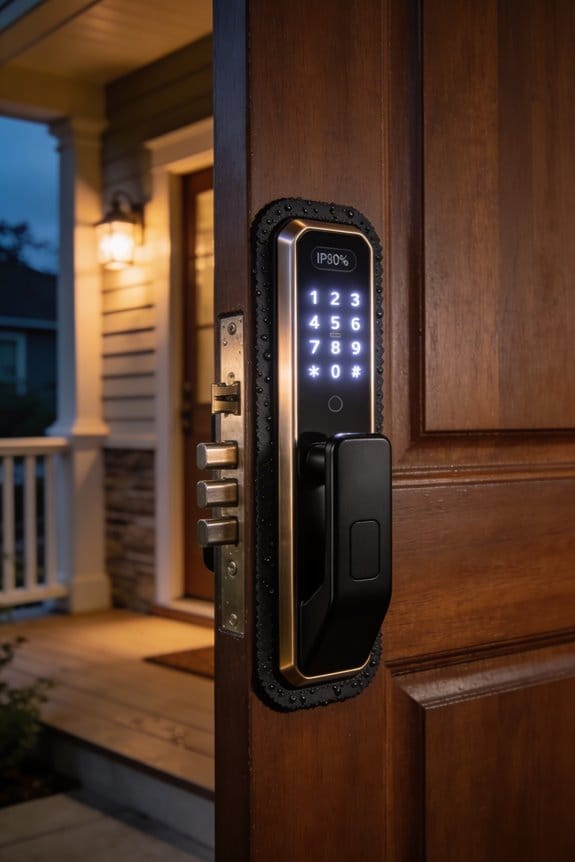
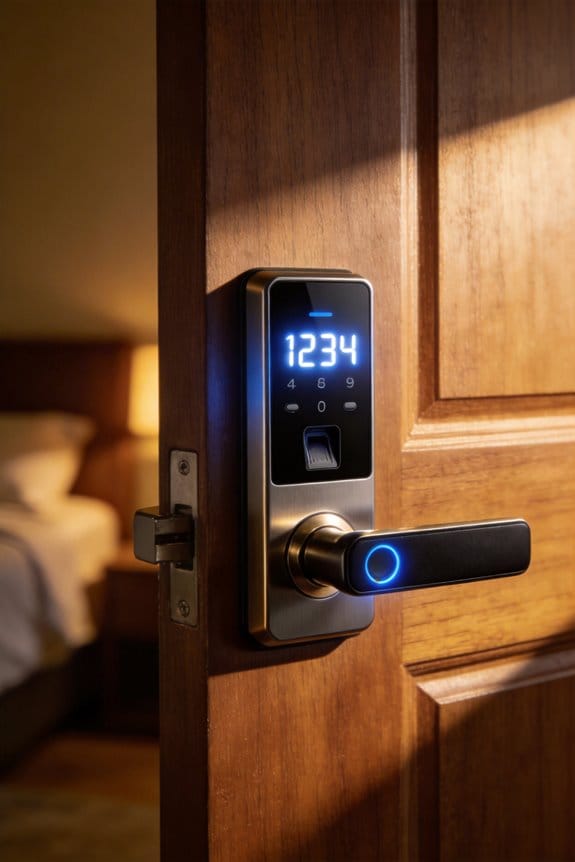

Smart locks now command 67.53% of the U.S. market, with biometric systems exceeding 99% fingerprint accuracy replacing traditional deadbolts’ 35.22% share on interior bedroom doors. These systems offer mobile app control, access logs, and auto-locking features, though wireless signal interception and hacking vulnerabilities present legitimate security concerns. Legal restrictions vary by jurisdiction—homeowners generally face fewer obstacles than renters, who typically need landlord approval. Understanding local building codes and privacy laws proves essential before installation. The specifics of what makes these systems both appealing and problematic warrant further investigation.
Key Takeaways
- Smart locks on bedroom doors raise privacy concerns, particularly regarding tracking capabilities and potential unauthorized listening device integration.
- Homeowners can install bedroom door smart locks without permits, while renters typically need landlord approval and may face lease restrictions.
- Biometric locks exceed 99% fingerprint accuracy, but environmental factors can cause malfunctions, creating security vulnerabilities in bedroom applications.
- Privacy laws in some jurisdictions restrict smart lock features on bedroom doors due to legitimate privacy protection concerns.
- Hacking risks and wireless signal interception pose security threats to connected bedroom locks, potentially compromising personal space safety.
Why Bedroom Smart Locks Are Going Mainstream
Why Bedroom Smart Locks Are Going Mainstream
Tired of fumbling for keys at your bedroom door? Or worried about who has access to your private space? Bedroom locks have quietly become way more sophisticated than the simple deadbolts your parents used.
The shift toward smarter security
Biometric locks are everywhere now, and honestly, the fingerprint accuracy is impressive—we’re talking 99% or better. They auto-lock behind you, which means you’re getting real security improvements over old-school deadbolts. Connected and smart locks pulled in 67.53% of U.S. revenue share last year, so clearly people are buying in.
Keypad locks came in second with about 28.90% of the global market. Why? Because there’s something satisfying about punching in a code instead of carrying yet another key.
What makes these locks actually useful
The real appeal comes down to convenience and control. You can check your door from anywhere, see who entered and when, and even give temporary access to guests without handing over a physical key. Most models plug into Amazon Alexa or Google Assistant, so your bedroom lock talks to the rest of your smart home setup.
Try this: Look for locks with built-in door sensors that alert you if someone opens your door while you’re away. The Yale Assure YRD256-CBA-619 does this well—it excels at remote operation and doesn’t feel clunky to use.
Recommended Products
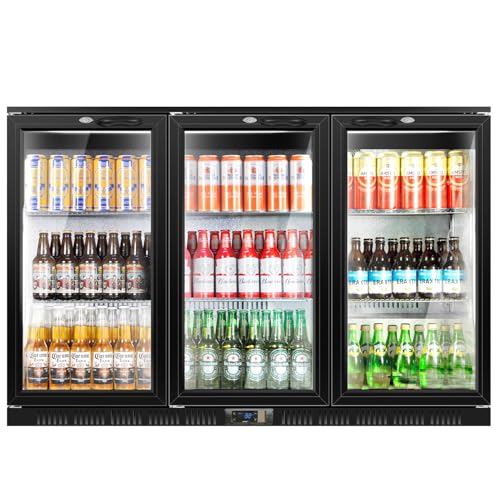
【Commercial Refrigerator】TYLZA glass door display refrigerator boasts a sleek pure black design complemented by white LED lighting, perfect for placement in your storefront, living room, or office lounge area, ensuring chilled beverages are always at hand

EXTRA LARGE CAPACITY - 24 inch beverage refrigerator beverage cooler, holds 180 cans of beverages. You can refrigerate different sizes of soda, beer, and wine. Meanwhile, 3 removable shelves allow for height adjustments to make the space fit your different-sized beverages, helping you better plan your refrigeratoroutdoor refrigerator storage space.
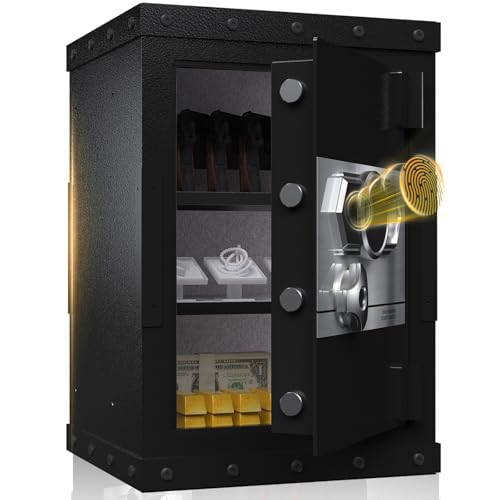
Heavy-Duty Steel Safe : Crafted from thickened solid steel, this safe box offers reinforced durability and anti-pry resistance. The 65MM door panel is equipped with 6 X 30MM solid live-locking bolts, providing superior defense against unauthorized access. With a 180° wide-angle door design, you can access your belongings effortlessly while benefiting from enhanced structural security for home or office use.
Installation won’t tear up your door
Frankly, one reason these locks are going mainstream is because they’re not a pain to install. Retrofit models let you swap your old lock without any drilling or modifications. You’re not hiring a contractor or dealing with door damage.
So why does this matter? It means you don’t have an excuse to skip the upgrade.
The bottom line: smart bedroom locks solve real problems—security, convenience, and peace of mind. What’s holding you back from making the switch?
Recommended Products

LUXURY AND COMFORT - Enjoy the warmth of LuxHeat's easy to install electric floor heating system. Electric floor heating promotes individual room control, ensuring personal comfort. Kit includes: 1x LuxHeat 200sqft (240volt) heating cable, 1x 221sqft Prova Flex-Heat uncoupling membrane, 1x Programmable Touchscreen thermostat (UDG4-4999), 1x alarm, 1x floor sensor (included with Thermostat), and 1x wood float, for decoupling membrane install

LUXURY AND COMFORT - Enjoy the warmth of LuxHeat's easy-to-install electric floor heating system. Your kit includes: 1x 120sqft (120volt) Heating Cable, 1x Cable Monitors/Alarms, 1x WiFi Programmable thermostat (UWG4-4999), 1x Floor Sensor, and Cable Guides/Strapping to fix heating cable to the sub-floor. The LuxHeat floor heating system allows for individual room control, ensuring personal comfort.

✅ DESIGN - ASD LED trimless gimbal light with 30° swivel lens is perfect for sloped ceilings and directional lighting. It has a twist-lock design and includes a square mud frame to be plastered over, giving it a smooth trimless look. Our angled recessed lighting features a durable airtight aluminum housing, multifaceted specular reflector with a 38° beam angle, and anti-glare PC lens. This trimless recessed lighting is designed to operate on 120V circuits with a TRIAC dimmable driver
What Types of Interior Smart Locks Are Available
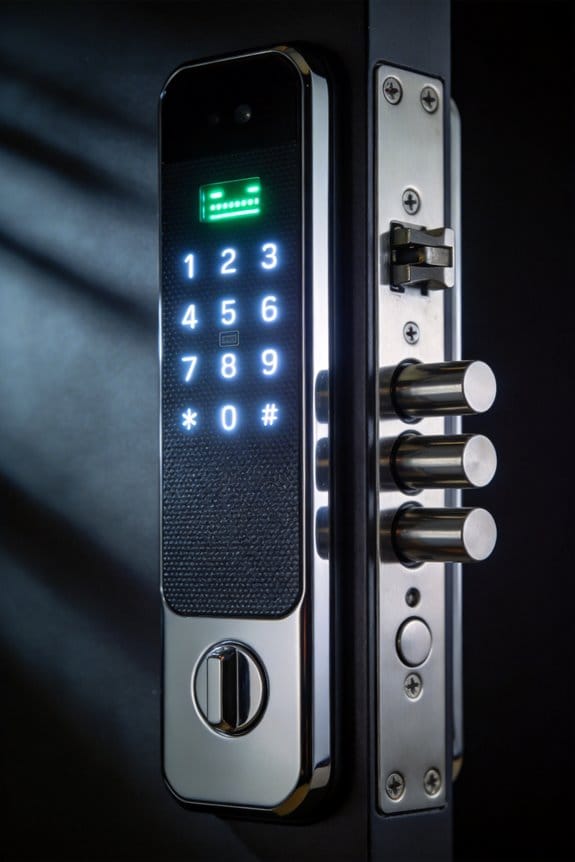
So you’re thinking about upgrading your bedroom security, but you’re overwhelmed by all the options out there. The good news? Once you understand the main types of smart locks, picking the right one gets a lot easier.
Fingerprint Readers Are the Most Popular****
Biometric locks—especially fingerprint scanners—are the heavy hitters in the smart lock world. They’re hitting 99% accuracy these days, which is why they’ve taken over the market. The appeal is obvious: your fingerprint is always with you, and nobody’s stealing your key.
Keypads Offer a Simpler Alternative****
Not everyone wants to go high-tech with biometrics. Keypad locks let you punch in a code instead, and they’re holding about 28.90% of the global market share for good reason. They’re affordable, straightforward, and honestly, most people already know how to use a keypad.
Deadbolts Still Run the Show
Here’s the thing about deadbolts—they’re not going anywhere. Commanding 35.22% of the market, they’re the standard for a reason. The best part is they often install without any door modifications, so you don’t have to call a contractor or drill new holes.
Smart Connectivity Changes Everything
Connected smart locks are responsible for 67.53% of U.S. revenue, and there’s a solid reason for that. You can control them from your phone, talk to them through Alexa or Google Assistant, and see exactly who came in and when. Why would you go back to fumbling with physical keys?
Auto-locking features add another layer of protection beyond what traditional deadbolts offer. Access logs let you track entries, and door sensors alert you if something’s off. Mobile apps give you control from anywhere, while smart cards provide yet another option for entry.
Think about your daily routine. What matters more to you—ease of use or maximum security features? The answer to that question will point you toward your best choice.
Recommended Products

This versatile multifunction cabinet includes a pull-out printer tray, storage drawers, and a supply cabinet with adjustable shelf.

A thoughtfully composed workspace that includes a hidden flip-front keyboard drawer and a modesty panel for comfortable cross-desk collaboration.
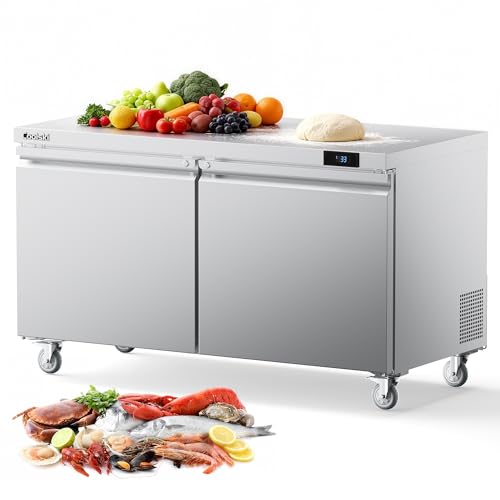
17.6 Cu.ft. of Interior Storage: Coolski's commercial worktop undercounter refrigerator offers 17.6 Cu.ft. of storage space, paired with a removable wire shelf that creates four separate storage layers. The adjustable shelf lets you customize the space to fit items of different heights, maximizing storage efficiency without taking up extra floor space.
Privacy and Security Risks You Should Understand
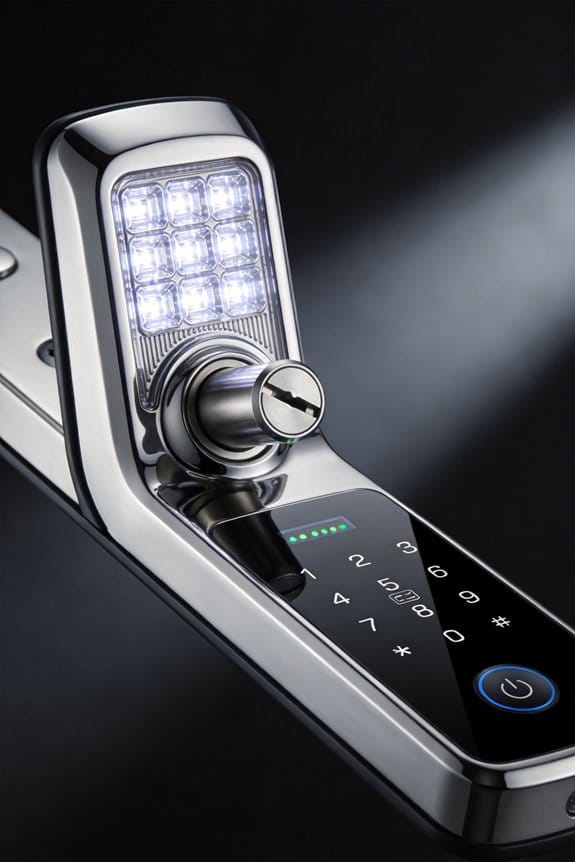
Privacy and Security Risks You Should Understand
Are smart locks really worth the convenience if they come with hidden dangers? That’s the question I get asked a lot, and honestly, it’s worth diving into before you install one on your bedroom door.
Smart locks sound amazing on paper—remote access, your fingerprint as the key, no more fumbling for keys at night. But they’re not perfect. Here’s what keeps me up: hackers can potentially break into connected systems, someone with access to your phone could unlock your door, and wireless signals can get intercepted during transmission. It’s not paranoia; it’s just how the technology works.
The Privacy Side of Things
Beyond physical security, there’s the privacy angle that doesn’t get talked about enough. Your lock can track where you are through your paired phone. Manufacturers might keep tabs on who entered your home and when. And if you’ve got a voice assistant connected to the system? That’s another potential listening device in your bedroom.
What About Those Fancy Biometric Locks?
Biometric systems are seriously accurate—we’re talking 99% success rates. But here’s the catch: they still fail sometimes. Cold hands, wet fingers, or even just dry skin can lock you out of your own room. And popular models like the Yale Assure YRD256-CBA-619 and Eufy Smart Lock Touch & WiFi S230 work great until they don’t—network breaches can happen to any connected device.
Recommended Products
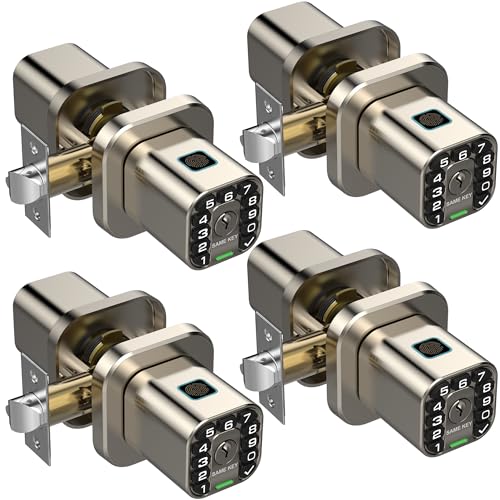
[HARMONIZING WITH ANY DOOR] The four locks included in the package share identical keys, offering convenient access. This square fingerprint door knob lock features an elegant design with rounded edges and an illuminated keypad, ensures ultimate grip comfort for you, upgrades your door's style. Unlock your way with fingerprint, keypad, or key. Perfect for entryways, bedrooms, garages, and offices.

Fingerprint door lock with multiple ways to unlock: Bluetooth (app), fingerprint, passcode, mechanical key. It is ideal for homes, offices, apartments, garage entrance doors, storage rooms, warehouses, basements, bedrooms, etc.

【4-in-1 Unlocking System】No more worrying about lost or forgotten keys. Your fingerprint is always with you and cannot be duplicated without permission. This smart door knob supports fingerprint (up to 50 users), passcodes (up to 100 users), app control (gateway required for WiFi), and 2 backup keys for secure and flexible access.
So What’s the Move?
Truth is, understanding these risks doesn’t mean you have to avoid smart locks entirely. It just means you should make a choice with your eyes open. Think about what matters most for your bedroom: convenience or maximum security? There’s probably a smart lock setup that fits what you actually need.
What’s holding you back from getting one—the security concerns, or is it something else?
Legitimate Uses for Smart Locks in Bedrooms
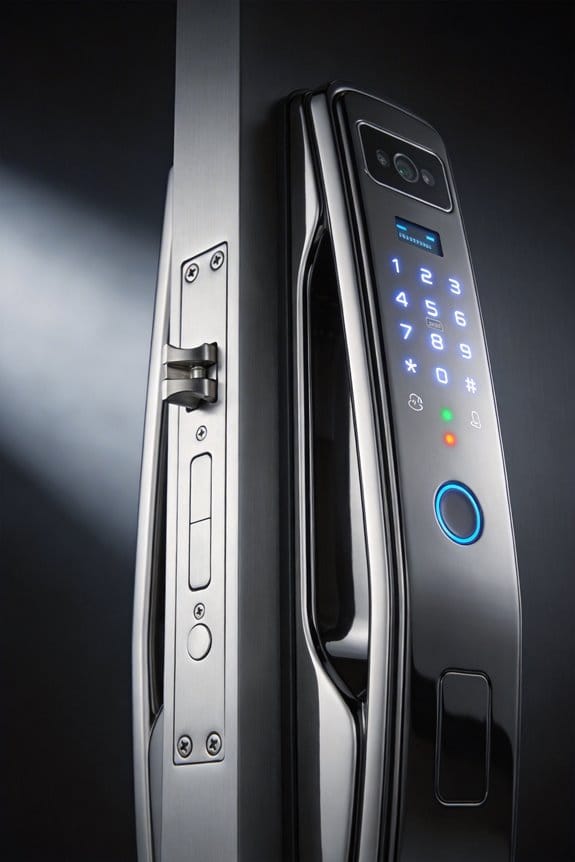
Legitimate Uses for Smart Locks in Bedrooms
So you’re wondering if smart locks actually belong in your bedroom, or if they’re just another tech gadget that sounds good on paper. The truth is, they can solve some real problems—but only if you set them up the right way.
Think about your elderly parent who’s always misplacing their keys, or your kid who locks themselves out constantly. A smart lock means no more emergency calls or duplicate keys floating around. It’s genuinely convenient. The same goes for households where you need to keep tabs on who’s accessing medication cabinets or other sensitive areas, especially when teenagers or guests are in the mix.
What makes this work in practice?
Access logs and remote monitoring. You can actually see who entered when, which matters if you’re managing a shared space or concerned about security. Retrofit locks are another practical benefit—you can install them without drilling into your door, which is perfect if you’re renting or don’t want permanent changes.
Honestly, the real value comes down to your specific situation. Are you trying to prevent lockouts? Manage access to medications or valuables? Keep an eye on household comings and goings? If yes, it makes sense to explore this option.
The catch is transparency. Whatever you set up, your family needs to know about it and agree to it. Smart locks only work when everyone trusts the system instead of feeling spied on. Without that conversation upfront, you’re creating tension instead of solving problems.
What does your household actually need the lock to do?
What the Law Says About Installing Them
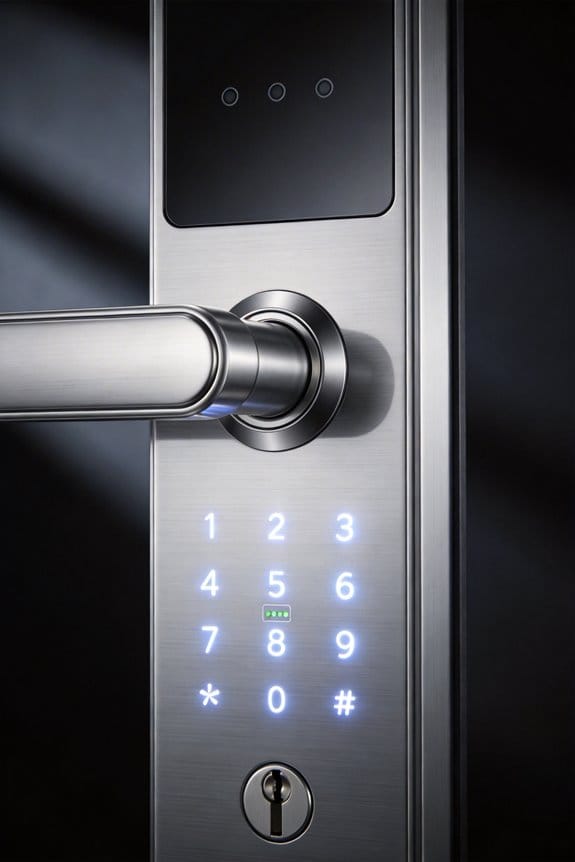
What the Law Says About Installing Them
Thinking about installing a smart lock in your bedroom? Before you order one, you need to understand the legal stuff that comes with it—and trust me, it varies wildly depending on where you live and who owns your home.
If you’re renting, your landlord probably has a say in what you can and can’t do to the doors. Most lease agreements require written permission before you make any hardware changes, especially something like a smart lock. Landlords want to protect their investment, so they often demand that you restore everything to its original condition when you move out. It’s frustrating, but it’s the reality of renting.
Here’s where it gets interesting: privacy laws in some states actually restrict what kind of smart locks you can use in bedrooms. We’re talking about locks with recording features or door sensors that log who’s coming and going. Even if your landlord says yes, the state might say no. So why does this matter? Because installing the wrong type of lock could expose you to legal trouble, not your landlord.
The good news? If you own your home and you’re just installing a smart lock on an interior bedroom door, you’re pretty much in the clear in most places. No hoops to jump through, no permits needed. Life’s easier as a homeowner in this situation.
Now, if you live in a multi-family apartment building, expect stricter rules. These buildings have been growing fast—about 11.4% per year through 2026—and with that growth comes more regulations about what tenants can modify.
Before you do anything, take 20 minutes to check your local housing codes and read through your lease or property agreement. A quick call to your landlord or a look at your city’s housing rules could save you a headache down the road. What’s your living situation—are you renting or do you own?
What Homeowners Are Actually Installing
What Homeowners Are Actually Installing
Tired of fumbling for your keys or worrying about who has copies? You’re not alone. Most people today are ditching traditional locks for smart locks that let you unlock your door from your phone, see who’s at your house in real time, and track every entry and exit.
The stats back this up. Connected smart locks now make up 67.53% of the U.S. market, and it’s not hard to see why.
When it comes to what actually works best, homeowners fall into two camps. Keypad access is huge—nearly 29% of buyers go this route because it’s straightforward and reliable. But deadbolts still dominate at 35.22% of the market, mostly because people trust what they know. Frankly, the best choice depends on your priorities.
Performance matters. The Yale Assure YRD256-CBA-619 gets serious love from people who want convenience and the ability to control their lock from anywhere. If you’re worried about someone kicking in your door, the Eufy Smart Lock Touch & WiFi S230 is built like a tank. It resists forced entry way better than older models.
Here’s what security-focused homeowners are choosing: biometric locks with fingerprint scanners. These things work 99% of the time and automatically lock behind you—no fumbling, no second-guessing whether you locked up. So, why does this matter? Because it’s one less thing to worry about.
The features that actually matter to people buying smart locks today:
- Tamper alerts (so you know if someone’s messing with your door)
- Access logs (a detailed record of who came and went)
- Mobile app control with Amazon Alexa and Google Assistant built in
Truth is, these details separate a smart lock you’ll use from one that sits in a drawer. Your phone becomes your key, and your home becomes genuinely smarter.
What’s holding you back from making the switch—is it cost, installation hassle, or just wanting to know more?
Recommended Products

Total control. Lock and unlock your door, grant keyless access and keep track of who comes and goes, all from your August App.


LIFTMASTER 8500W 2-893MAX remotes JACKSHAFT GARAGE DOOR OPENER MYQ ENABLED WIFI AND BATTERY INSTALLED
Frequently Asked Questions
Can Smart Bedroom Locks Be Hacked Remotely, and What’s the Actual Risk Level?
I’d say smart bedroom locks can be hacked remotely, yes. Their remote access features create security vulnerabilities that hackers exploit through weak passwords, outdated firmware, or network breaches. However, risks remain relatively low if you’re diligent with strong credentials and regular updates.
Do Insurance Policies Cover Theft or Break-Ins Involving Smart Lock Failures?
I’ll be honest—most policies won’t save you from a smart lock disaster. I’ve found that standard homeowner’s insurance rarely covers theft from smart lock failures due to coverage limitations. You’ll need to check your specific insurance claims policy details carefully.
How Do Smart Locks Perform in Power Outages or Battery Failures?
I’d say most smart locks handle power outages better than you’d think. They’ve got battery backups that’ll keep you secure for months, and their lock durability means mechanical components work without electricity. You’re protected even when the power’s out.
What Are the Costs for Professional Installation Versus DIY Setup Options?
I’ll answer your question about installation costs and DIY options for smart locks.
Professional installation typically costs between $100-$300, while DIY setup saves substantially—you’re looking at just the lock’s purchase price. I’d recommend retrofit locks; they’re designed for do-it-yourself installation without door modifications needed.
Are There Compatibility Issues Between Smart Locks and Older Door Frames?
Yes, I’ve found compatibility issues do arise. Older door frames often present installation challenges due to differing lock dimensions and bolt depths. You’ll need to verify your door’s specifications before purchasing—retrofit locks can help, but modifications might still be necessary.