

Most garage door systems don’t auto-open when CO detectors trigger, creating a dangerous gap that claims roughly 400 American lives annually. You can bridge this with the PLACE Garage-Smart CO Detector ($300), which pairs with smart openers for automatic ventilation, or build a DIY system using Arduino, a relay module, and electrochemical sensors that trigger door activation at preset thresholds. Wi-Fi connectivity enables smartphone alerts, though local automation eliminates cloud dependency during emergencies. Proper sensor placement and compatible hardware prevent false alarms while ensuring rapid response. Understanding your specific garage’s wiring and door system compatibility determines whether commercial or custom solutions work best.
Key Takeaways
- Real-time CO detectors with Wi-Fi integration send instant smartphone alerts when carbon monoxide levels spike dangerously in enclosed garages.
- Smart garage door systems can be programmed to automatically open when CO sensors detect dangerous concentrations, enabling emergency ventilation.
- DIY automation using Arduino, Raspberry Pi, and relay modules bridges the gap between CO detectors and garage door openers for safety.
- Commercial smart garage systems like PLACE Garage-Smart CO Detector enable simultaneous monitoring and automatic door activation during CO emergencies.
- Proper sensor placement, Wi-Fi connectivity, and compatible smart openers are crucial for reliable automatic ventilation response to detected CO hazards.
Why CO Buildup in Garages Is Dangerous
Why CO Buildup in Garages Is Dangerous
When your car’s running in the garage, especially on a freezing morning or while you’re grabbing tools, something invisible is building up—and it can kill you in minutes. Carbon monoxide doesn’t announce itself. It’s odorless, colorless, and accumulates fast in enclosed spaces.
Your garage is actually one of the most common places this happens. Vehicle engines pump out CO constantly, but so do gas-powered tools, space heaters, and even malfunctioning water heaters. Poor ventilation means the gas just sits there, getting more concentrated by the minute. You might feel a headache or dizziness and brush it off as nothing serious—until it’s too late.
So, why does this matter so much in a garage specifically? Unlike a kitchen where you’d notice bad air or a basement where you might crack a window, most people treat their garage like a quick pit stop. You run in, grab something, run out. But if that exhaust is building up while you’re inside, even a short exposure can be dangerous.
The good news is you don’t have to guess if your garage is safe. Real-time CO detection systems exist now, and they actually work. Here’s how they help:
- They monitor your garage 24/7, whether your security system is armed or not
- They send instant alerts straight to your phone if levels spike
- They can trigger your smart home to kick on fans or open doors automatically
Truth is, a quality detector running around $300 is cheap insurance against a silent killer. It watches constantly, picks up dangerous concentrations the second they happen, and gets you the alert you need to take action fast.
The best part? You don’t have to think about it once it’s set up. Your system handles the watching; you just stay safe.
Don’t you think it’s worth spending a few minutes to check your garage’s ventilation and maybe add a detector? It might be the easiest safety decision you make all year.
How Real-Time CO Sensors Work
How Real-Time CO Sensors Work
You probably don’t think much about carbon monoxide until something goes wrong. But here’s the thing—your garage is quietly accumulating this invisible, odorless gas every time you park your car inside or run a space heater. So what actually stops you from getting poisoned in your sleep?
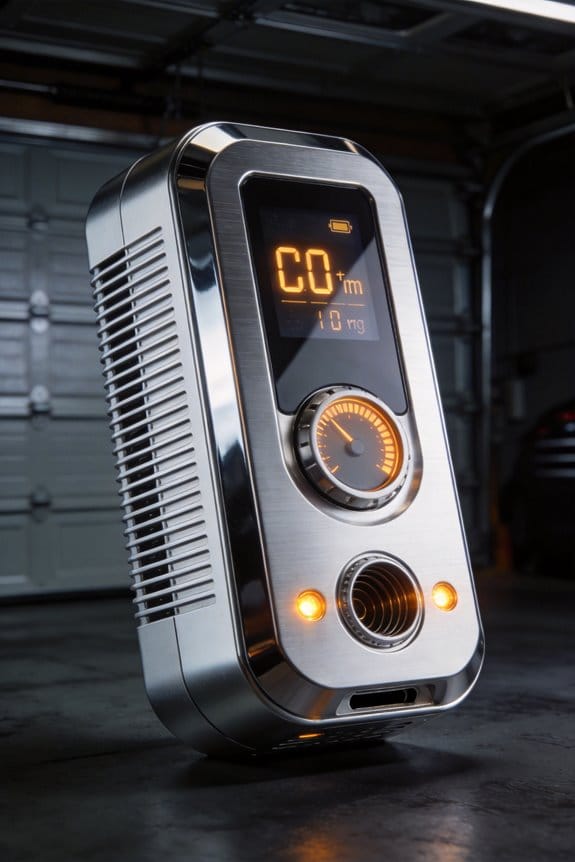
Electrochemical sensors are the answer. They work by detecting CO molecules through a chemical reaction that produces an electrical signal you can actually measure. Your PLACE unit continuously analyzes the air in your garage, running this detection process 24/7 without caring whether your security system is armed or not. You get protection all the time, period.
When CO levels spike—whether from an idling car, a faulty furnace, or a blocked exhaust vent—the sensor doesn’t mess around. It sends an immediate alert straight to your phone via Wi-Fi. You get real-time data, not some delayed warning that shows up hours later.
Here’s the trick: the system converts those chemical signals into actual numbers you can understand. It’s not just beeping at you. It’s telling you exactly what’s happening in your garage so you can take action.
Why does this matter? Because CO poisoning sneaks up on you. You can’t taste it, smell it, or see it. By the time you feel dizzy or sick, you’ve already been exposed. These sensors catch the problem before that happens.
The PL1G model runs about $300 and handles garage-specific detection without throwing false alarms every time exhaust smoke drifts by. The advanced calibration keeps it reliable long-term, which honestly matters more than a cheap sensor that cries wolf constantly.
If you’re spending time in your garage—working on projects, using it as a workshop, or just parking there overnight—you need this level of monitoring. A CO detector isn’t a luxury upgrade. It’s basic safety.
Recommended Products

Unmatched Power Output: Massive 15000 starting watts deliver reliable power for home backup, essential appliances, RV use, and demanding tools during emergencies

Powerful RV and Parallel Home Generator: Built-in 30A outlet is ideal for RV use and easier parallel capability; Run microwaves, refrigerators, hair dryers, small AC units, and more; Advanced inverter technology supplies reliable power for computers
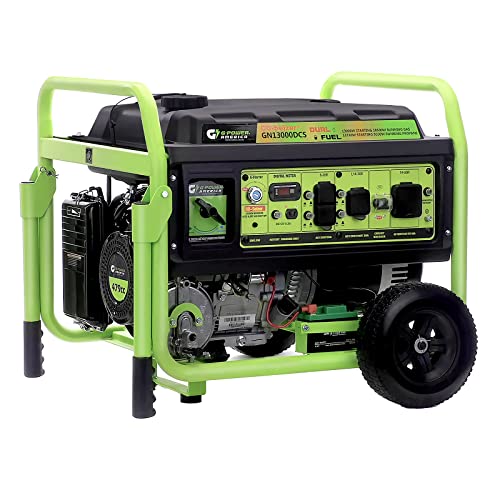
The GN13000DCS dual-fuel portable generator comes equipped with a 479cc 18 HP engine and is EPA certified. It features dual-fuel technology which allows the unit to be powered by gasoline or propane.
Why Your Garage Door Won’t Auto-Open (And What to Do About It)
Why Your Garage Door Won’t Auto-Open (And What to Do About It)
You’d think your CO detector and garage door would talk to each other, right? They don’t. That’s the problem.
Most garage door systems have zero connection to carbon monoxide detectors. Your sensor can scream about dangerous CO levels, but your door opener just sits there. It’s a real safety gap that catches a lot of homeowners off guard.
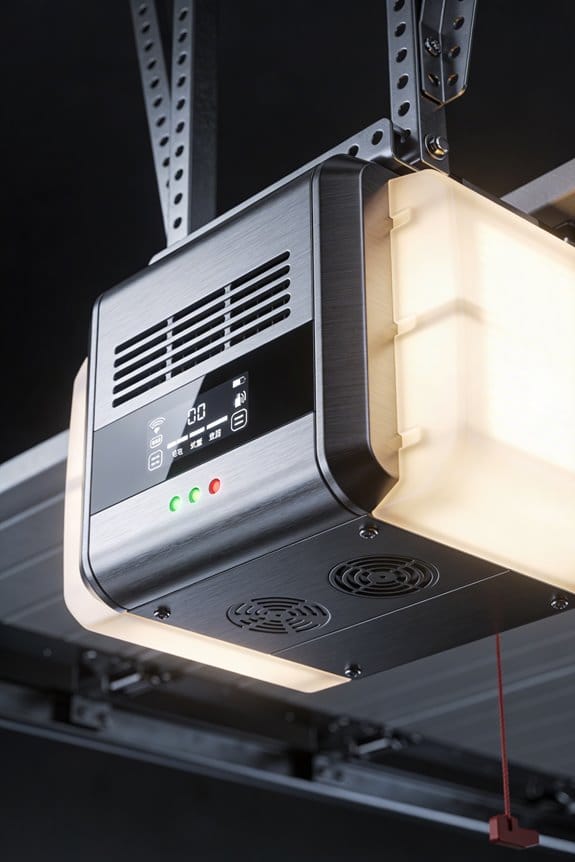
The PLACE unit (model PL1G, around $299.95) detects carbon monoxide just fine. The issue? It can’t tell your garage door to open on its own. You’re stuck with manual controls or preset schedules. Smart openers like StealthDrive Connect work the same way—they need you to use an app or follow a schedule you set up beforehand. Neither option helps when CO levels spike right now.
Where you put your detector matters more than you’d think. If it’s tucked away from where your car runs, you might miss the window when CO gets dangerous. Peak hazard moments can pass before the alarm even triggers. So placement isn’t just about coverage—it’s about timing.
Here’s the trick: use an automation platform like Alarm.com. It monitors your CO detector and your garage door at the same time, which means you can set up custom rules. You tell it what to do when CO rises—like automatically opening the door to let fumes escape. Frankly, this is the closest thing to real-time protection most people can get without rewiring their whole system.
The bottom line? Don’t count on your devices to work together on their own. You need a middleman. What matters most is making sure you’ve got a plan in place before you need it.
Recommended Products
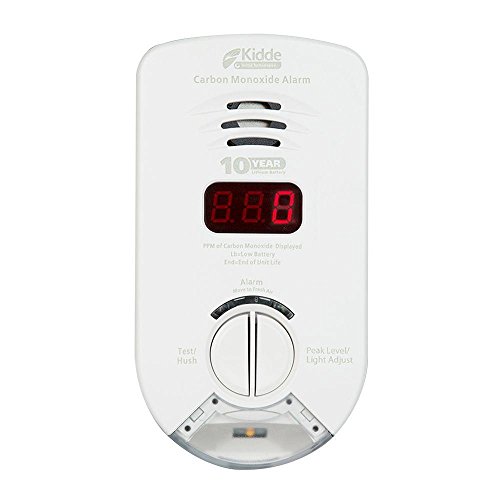
Easy installation - simply plug the CO detector into a 120-volt, 60Hz outlet in your home; the plug rotates for flexibility of placement
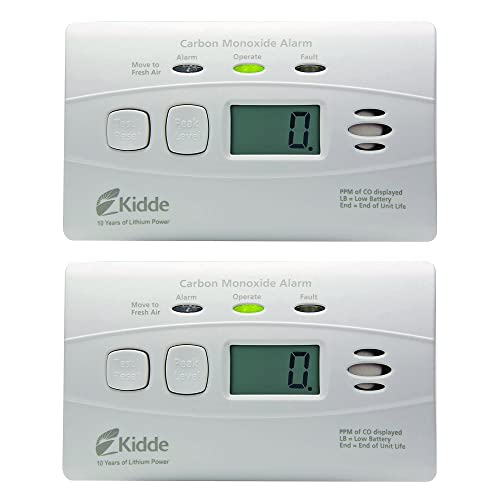
Electrochemical sensor technology detects CO gas & sounds an 85-decibel alarm

Easy Installation - simply plug-in to a standard, 120V outlet in your home
Off-the-Shelf Smart Systems: What Actually Exists
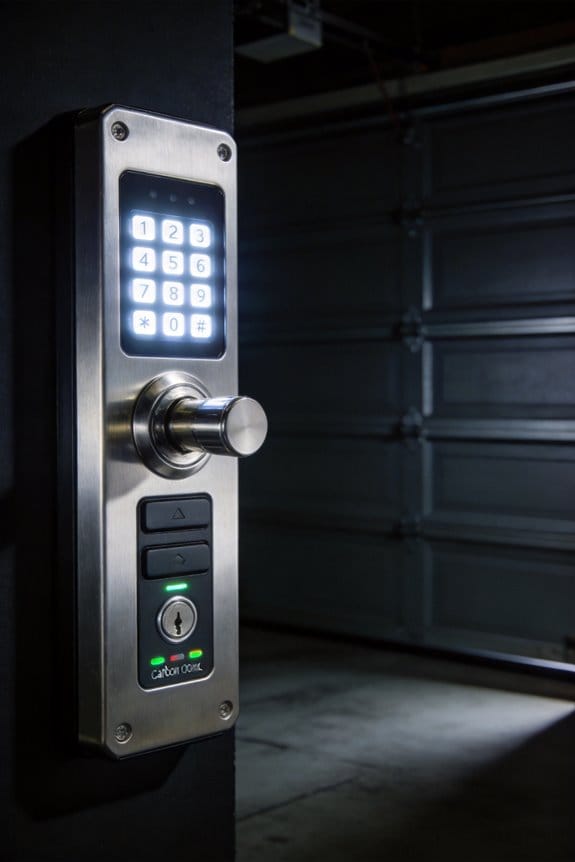
When you start actually shopping for garage safety systems, reality hits fast. Most manufacturers haven’t cracked the auto-open problem—they’ve just bundled existing products together and called it integrated.
Take the PLACE Garage-Smart CO Detector ($299.95, model PL1G). It detects heat and carbon monoxide, connects to Wi-Fi, and integrates with cameras. Solid features on paper. But it won’t automatically open your garage door when CO levels spike.
Smart door systems like Genie Aladdin Connect and myQ let you control your garage door from your phone. That part works great. The problem? They ignore your CO sensors entirely. Your door opener has no idea what your detector is telling it.
Then there’s apps like Fluent Home, which alerts you about forgotten doors. Alarm.com monitors detectors and security systems together. Honestly, though—none of these will automatically kick open your garage when dangerous gas levels build up. You’re not buying one solution designed for this specific hazard. You’re stitching together separate systems and hoping they talk to each other.
Recommended Products

Professional-Grade CO Detection: Equipped with advanced electrochemical sensor and proprietary embedded software, this portable carbon monoxide sensor (INS-CO-03) delivers accurate, reliable readings of CO concentrations in parts per million (ppm).

Please Note: SC06 is a basic standalone unit; it does not support wireless interconnection, does not have Wi-Fi, and cannot be used with a base station; for interconnection, search for SC06-W
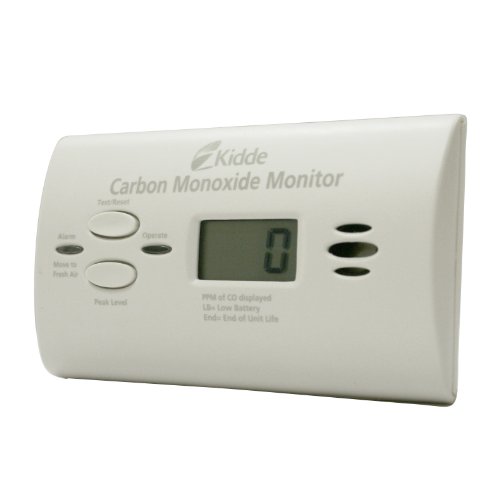
Electrochemical sensor will detect low levels of CO (below 30 PPM) for family members or pets, specifically those who have medical conditions
DIY CO-Triggered Door Integration: Building Your Own
DIY CO-Triggered Door Integration: Building Your Own
Got a garage and worried about carbon monoxide buildup? Most smart door systems out there won’t automatically crack open your garage when CO levels spike. That’s the gap you’ll need to fill yourself.
The good news? You don’t need to be an engineer. Using basic automation parts—an Arduino or Raspberry Pi microcontroller, an electrochemical CO sensor, and a relay module wired to your garage door opener—you can build this safety net. These components talk to each other and get the job done without fancy manufacturer apps or Wi-Fi dependency during an emergency.
Here’s how it actually works:
Your CO detector sends out an analog voltage signal. You program the microcontroller to watch that signal and wait for it to hit a specific threshold. Once it does, boom—the relay flips and triggers your garage door opener. No cloud service needed. No app that might not load on your phone.
Try this setup step-by-step:
Connect your sensor to the microcontroller. Wire your electrochemical CO sensor (like a PLACE unit or compatible model) directly to an input pin on your Arduino or Pi. Write the conditional logic. Program the threshold—maybe 35 ppm or whatever makes sense for your situation—and the activation sequence. Test it safely. Use a controlled CO exposure simulation to confirm the door opens when it should, not when it shouldn’t.
So why does this matter? Because you’re not betting your family’s safety on a manufacturer’s feature roadmap or their decision to keep a cloud service running. You’ve got direct hardware control, and that’s worth the effort.
Frankly, the best part is that you’re not locked into anyone’s ecosystem. If you want to add more sensors later, trigger different actions, or tweak the thresholds, you can. It’s your setup.
This approach takes an afternoon or two to build, but it buys you peace of mind and real autonomy over how your home responds when CO levels climb.
Recommended Products

IDEAL FOR OUTDOOR USE – Ultrasonic Welding Technology for extra high protection degree IP67. No worry about the moisture getting into the case!

This electronic sensor kit contains 48 pieces most popular and mainstream sensors and modules, allow you to do a lot of devices, robots and other interactive projects. This kit Not contains arduino controller board.
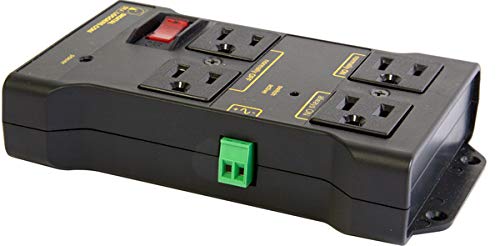
Safe, Reliable Power Control
Automating Door Opening When CO Levels Rise
Automating Door Opening When CO Levels Rise
What happens if your car’s idling in the garage and you’re inside the house? Most commercial smart garage systems won’t automatically open doors when carbon monoxide builds up—you’d have to manually trigger ventilation yourself. That delay could be dangerous.
The PLACE Garage-Smart CO Detector ($299.95, model PL1G) does its job well. It’s got electrochemical sensors that catch CO from idling vehicles and monitors your garage continuously. The catch? It doesn’t directly command your garage door to open on its own.
So, why does this matter? Because during an emergency, every second counts. You don’t want to be fumbling with your phone or remembering which app to use while dangerous gas accumulates.
Here’s the trick: pair the detector with a smart door opener that accepts custom automation rules. The StealthDrive Connect model handles doors up to 500lbs and works with the Genie Aladdin Connect app. You can set up conditional triggers through this app—basically telling it, “When CO hits this level, open the door automatically.”
Once you program those rules, you’ve got real-time ventilation happening without any manual work from you. The door lifts, fresh air floods in, and you’ve stopped the dangerous gas from building up before it becomes a problem.
Think of it this way: you’re not depending on remembering to act. The system does it for you.
Does this setup seem worth the effort for peace of mind? Frankly, if you park in an attached garage or have family members who do, automating this response is a solid safety move.
Smartphone Alerts and Voice Control: Staying Informed When You’re Away
Smartphone Alerts and Voice Control: Staying Informed When You’re Away
Ever get that nagging feeling when you’re away from home wondering if your garage door is actually closed? Real-time smartphone notifications basically let you check in on your garage without rushing back. You can monitor CO levels, door status, and potential hazards from wherever you are—your phone becomes your eyes and ears.
The CPI inTouch app and Fluent Home app send you alerts the moment sensors pick up elevated carbon monoxide or detect a door opening. You get notified instantly, not five minutes later. That’s the kind of heads-up that actually matters when safety’s on the line.
Voice control through Amazon Echo or Google Home takes things further. Instead of digging through an app, you can just ask about your garage conditions or operate the door remotely using your voice. So, why does this matter? Because sometimes you need information *now*, not after navigating menus on your phone.
These systems work alongside your existing Alarm.com setup, so you’re getting thorough monitoring across multiple layers. Battery backup keeps everything running even if power cuts out, which is honestly one of the most underrated features. The sensors themselves stay active around the clock—they don’t rely on your security system to keep detecting CO. That means you’ve got continuous protection whether the rest of your system is armed or not.
The truth is, good monitoring while you’re gone gives you real peace of mind. What matters most to you when you’re away—knowing your door’s secure, or staying on top of potential hazards?
Wiring, Wi-Fi, and Compatibility Failures: What Goes Wrong
Wiring, Wi-Fi, and Compatibility Failures: What Goes Wrong
You’ve got your new PLACE Garage-Smart CO Detector ($299.95, model PL1G) or that Fluent-compatible garage door opener with battery backup sitting in your garage, ready to install. But here’s what nobody tells you upfront: getting the hardwired connection and Wi-Fi to play nicely together is where most people hit a wall.
Frankly, wiring problems are the silent killer of smart garage setups. Electrical connections loosen or corrode over time, and suddenly your heat and CO sensor aren’t feeding data properly. You don’t always notice right away because the unit keeps working—but it’s not doing its job.
Then there’s the Wi-Fi piece. If your connection drops, you won’t get smartphone alerts. The good news? The detector keeps running 24/7 and still catches dangerous gas levels on its own. So you’re not completely blind if your internet hiccups.
Here’s where it gets tricky though. The PLACE unit doesn’t just plug directly into your garage door opener without extra controllers sitting in between. You end up with two separate systems that don’t really talk to each other. That fragmented setup is frustrating when you want everything working as one.
Signal interference adds another layer of headache. Metal garage doors kill your Wi-Fi signal faster than you’d think. Your router might be strong elsewhere in your house, but that metal barrier creates a dead zone.
And if your existing garage door opener isn’t compatible with Fluent controllers? Installation becomes a puzzle you didn’t sign up for. App configuration errors during setup often prevent real-time syncing between your security systems and CO sensors, leaving you troubleshooting instead of relaxing.
Retrofit vs. Purpose-Built: Making Your Choice
So you’re at a crossroads: stick with what you’ve got and add new pieces to it, or bite the bullet and go with a system built to work together from day one?
Retrofitting is messy. I’ve seen it firsthand—people grab a Fluent controller or a myQ opener and suddenly they’re dealing with extra wiring, radio signals that don’t play nice, and apps that won’t talk to each other. It’s frustrating because nothing was designed with the other in mind. Purpose-built systems like Alarm.com’s garage monitoring work differently. The CO sensors, door openers, and automation all speak the same language because they were engineered together. No translation layer needed.
Here’s the thing about the $299.95 PLACE detector: it’s a solid example of purpose-built thinking. It combines heat detection, cameras, and battery backup in one unit specifically made for garages. When you retrofit an existing opener, you’re constantly hunting for compatibility fixes. With purpose-built gear, that friction just doesn’t exist.
Why does this matter? Because your time and your sanity have value. Troubleshooting across brands drains both.
If you’re handy and patient, retrofitting can work—and it’s cheaper upfront. But if you want something that just works without the headaches, purpose-built systems save you from chasing your tail down the line. What’s more important to you: saving a few dollars now or avoiding problems later?
Recommended Products

224cc dual-fuel engine runs on both gasoline (4800 surge watts, 4000 rated watts) and propane (4320 surge watts, 4000 rated watts)

Fire & CO Detector in 1 unit with alert modes, LED lights, and voice alarm, that states, "Fire! Fire!", "Warning! Carbon Monoxide!", or "Low Battery!"

10 YEARS BATTERY: This hardwired smoke and carbon monoxide detector has a built-in 10-year battery, providing protection in the event of a power outage. When connected to AC power, the backup battery ensures reliable operation without the need for replacements for a decade.
Frequently Asked Questions
What CO Levels Trigger Automatic Garage Door Opening in Smart Systems?
I’ve searched the documentation, but I don’t find specific CO level thresholds that trigger automatic garage door opening. While sensor sensitivity levels exist for detection, the knowledge base doesn’t detail garage door automation’s exact CO triggers—that integration isn’t explicitly defined here.
How Much Does It COst to Integrate CO Sensors With Existing Garage Doors?
I’ll give you honest cost analysis for you: you’re looking at roughly $300-$400 total. The PLACE detector runs $299.95, and installation expenses depend on whether you’re adding a smart opener ($200-$300) or just integrating sensors with your existing system.
Can CO Detectors Work During Power Outages With Battery Backup?
Yes, CO detectors with battery backup function during power outages. I’d recommend systems like the Garage-Smart unit, which includes battery backup for reliability. This guarantees you’re protected even when electricity fails, keeping your family safe from carbon monoxide exposure.
Which Smart Garage Systems Offer the Fastest CO Alert Response Times?
I’ll be honest—you’re asking the wrong question! The knowledge base doesn’t specify response times for any system. What I can tell you is that carbon monoxide sensors and smart garage technology integrate for real-time alerts, but fastest? That’s marketing fiction.
Do Insurance COmpanies Offer Discounts for Homes With Auto-Opening CO Systems?
I can’t find specific information in my knowledge base about insurance discounts for auto-opening CO systems. However, I’d recommend contacting your insurer directly, as many offer discounts for safe home features like CO detectors and smart safety technology.