
In-garage delivery programs, utilizing myQ smart openers and Amazon’s Key app infrastructure, directly address the U.S.’s 1.7 million daily package thefts costing $112 per incident—a crisis hitting suburban homes 150% harder than urban areas. While garage delivery eliminates porch exposure and provides real-time notifications, it introduces digital vulnerabilities through app-based access controls and WiFi dependencies. The service excludes renters, offers no protection against household theft, and requires $50+ hardware investment. Understanding which security trade-offs align with your circumstances requires examining specific implementation details.
Key Takeaways
- In-garage delivery eliminates porch theft risks by placing packages directly inside garages via smart door openers and app-based access.
- Digital security vulnerabilities in the Key by Amazon app and smart systems create new risks despite reducing traditional package theft.
- In-garage delivery cannot prevent theft by household members and remains unavailable for renters lacking garage access or landlord approval.
- 1.7 million packages go missing daily in the U.S., with suburban residents experiencing 150% higher theft rates than urban dwellers.
- Implementation requires compatible myQ smart garage doors and careful evaluation of neighborhood theft frequency versus privacy concerns with Amazon access.
Package Theft Is Costing Shoppers $112 Per Delivery: Here’s Why In-Garage Delivery Matters
Honestly, package theft is a real problem—and the numbers back it up. Every day, 1.7 million packages go missing across the U.S., with stolen items averaging $112 each. Amazon deliveries make up more than half of all reported thefts. If you shop online, there’s a decent chance you’ve worried about this yourself.
The frustrating part? Half of online shoppers are genuinely anxious about porch pirates, yet most people don’t report thefts to police. Suburban residents get hit especially hard—they’re 150% more likely to lose packages than city dwellers. So why does this matter? Because you’re paying for something that might never make it inside your home.
There’s a practical solution that doesn’t require changing where you shop or waiting around all day for deliveries. In-garage delivery cuts the risk dramatically by skipping the front porch entirely. No exposed package sitting there for hours. No theft opportunity.
Here’s how it works: You’ll need a myQ smart garage door opener (and millions of homes already have one installed). Amazon’s Key app sends you delivery alerts and even video verification through your smart cameras. Prime members get contactless delivery straight into the garage—the driver opens the door, drops off your package, and closes it behind them. Everything’s tracked, nothing’s exposed.
The best part is you’re not buying new equipment if you’ve already got a compatible garage door opener. It’s just about connecting what you’ve got and letting Amazon handle the rest.
Do you shop online regularly enough that this would actually make a difference in your life?
How In-Garage Delivery Works: Amazon Fresh, Whole Foods, and Smart Garage Access
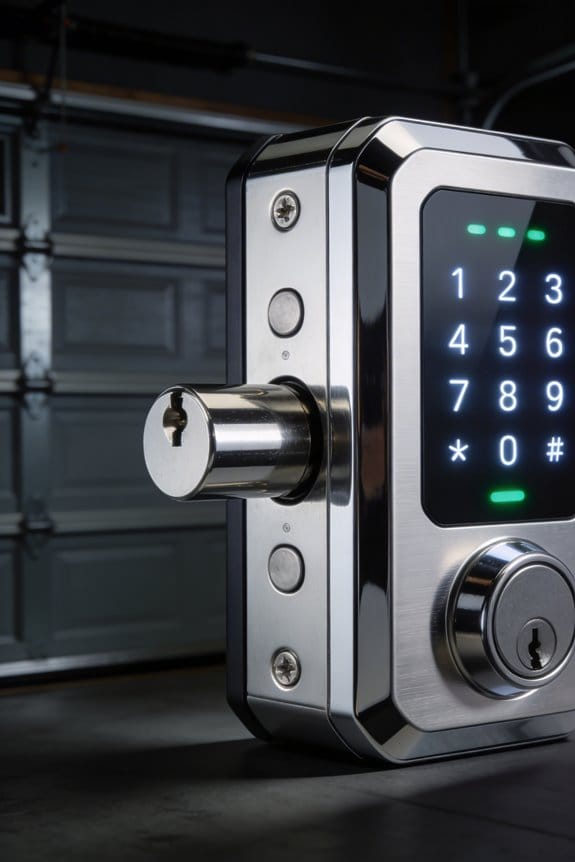
Tired of watching your groceries sit on the porch while you’re stuck at work? In-garage delivery through Amazon Fresh and Whole Foods might be exactly what you need.
Here’s how it actually works. You’ll need a myQ smart garage door opener—and honestly, if you’ve got one already, you’re halfway there. Don’t have one? Installation takes maybe an afternoon. When your delivery shows up, the Key by Amazon app pings you right away so you know what’s happening. The driver uses the smart tech to pop open your garage, drops off your groceries inside, and closes it back up. No sitting packages. No porch pirates. No stress.
The transparency piece is pretty solid too. Your connected smart home camera lets you watch the whole thing unfold in real time. You get actual footage, so there’s a clear record of what happened and when. Why does this matter? Because you know exactly what’s going on with your food delivery instead of just hoping for the best.
What makes this setup actually useful:
- Contactless delivery (helpful if you’re sick or just don’t want human interaction that day)
- Works across 5,000+ locations nationwide, so decent coverage for most Prime members
- Secure, documented transactions that protect both you and the driver
Truth is, it’s not flashy or complicated—it’s just practical. Your groceries end up exactly where you want them, locked safely away. That’s really the whole point.
The Real Security Trade-Off: What You’re Trading Porch Theft For
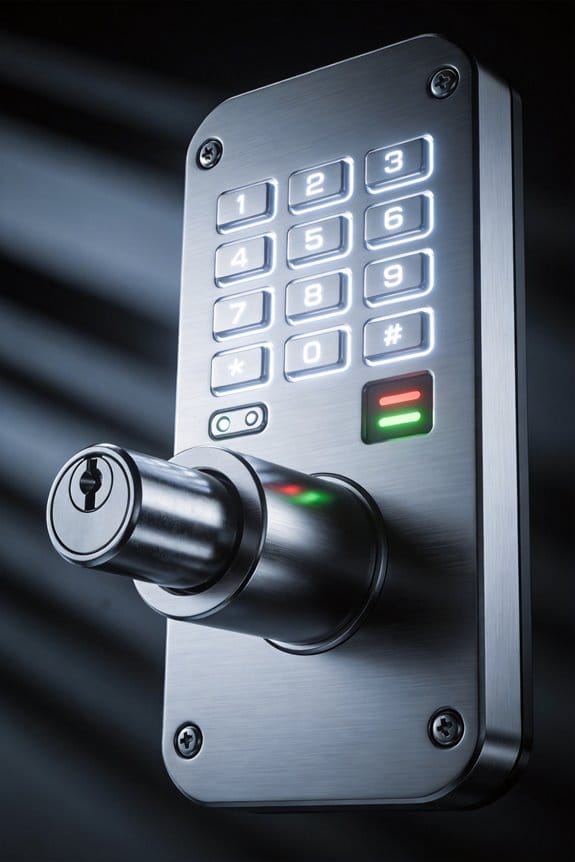
The Real Security Trade-Off: What You’re Trading Porch Theft For
Porch pirates are out of control. With 1.7 million packages stolen daily and Amazon deliveries making up more than half of those thefts, it’s no wonder people are looking for alternatives. The average stolen package costs around $112—money most of us don’t want to lose.
So you’re thinking in-garage delivery sounds like the answer, right? It actually does solve the porch theft problem, but here’s the catch: you’re swapping one security headache for another.
What You Need for In-Garage Delivery
Most in-garage delivery requires a myQ smart garage door opener. The good news? Millions of homes already have one installed. If you don’t, installation runs about $50. That’s not too steep compared to what thieves might steal from your front door.
Recommended Products

LIFTMASTER 8500W 2-893MAX remotes JACKSHAFT GARAGE DOOR OPENER MYQ ENABLED WIFI AND BATTERY INSTALLED
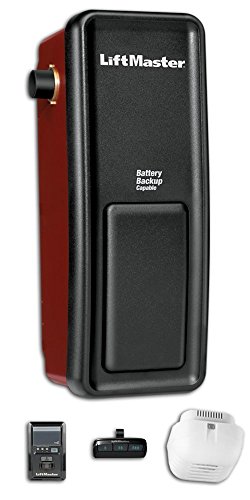
Will receive the all new 98022 replaces 8500

GarageDoorProject exclusively partners with US vendors, ensuring 100% OEM parts with all-new production dates. LiftMaster 841LM Automatic Garage Door Lock
The New Security Problem You’re Creating
Truth is, digital access creates its own risks. The Key by Amazon app controls everything—and that means your garage security depends entirely on how strong that app’s authentication is.
Here’s what actually happens:
- Your garage door connects to the internet through the app
- Delivery drivers get temporary digital access
- If the app has weak security, so does your garage
So, why does this matter? Because a compromised app means someone could access your garage without ever touching your door.
Who Benefits Most From This?
Suburban residents are getting hit hard—they experience theft rates 150% higher than urban dwellers. For them, contactless in-garage delivery genuinely reduces stress. You’re not checking your porch every five minutes, and packages aren’t sitting out all day.
But it only works if your garage infrastructure is solid. A reliable door opener and a secure app are what actually keep thieves out now—not the physical barrier of your front door.
The Real Question
You’re trading porch theft for digital vulnerabilities. Before you set this up, ask yourself: is my garage door system dependable, and do I trust the app controlling it?
Amazon vs. Walmart InHome: Which In-Garage Delivery Wins on Security?
Amazon vs. Walmart InHome: Which In-Garage Delivery Wins on Security?
So your packages keep disappearing off the porch, and you’re wondering if letting a delivery driver into your home is actually safer. It’s a real dilemma, and honestly, both Amazon and Walmart are trying to solve it—just in completely different ways.
Amazon’s approach is pretty straightforward. You get a myQ smart garage door opener that works with the Key by Amazon app. When your delivery arrives, you get an alert, the driver opens your garage, drops off the package, and leaves. That’s it. The driver never sets foot in your actual home.
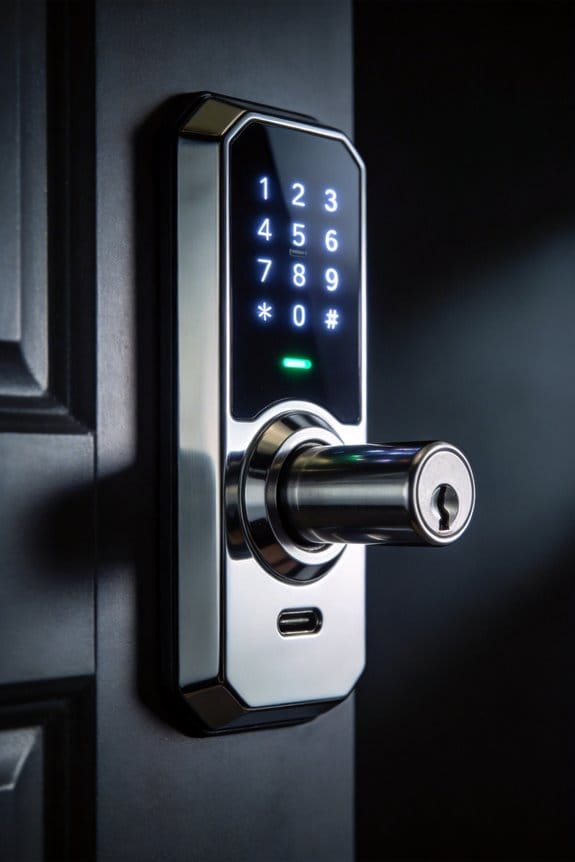
Walmart InHome takes a different route. For $19.95 a month, they’ll install either a $50 smart lock on your front door or a keypad entry system. Their delivery people can walk right into your home, put groceries in your fridge, and leave. They’ve even got live delivery cameras rolling the whole time.
Why does this matter? Think about what you’re comfortable with. Most people I know prefer Amazon’s garage-only setup because it feels less invasive. You’re not letting strangers into your living room or past your bedroom. Walmart’s system appeals to folks who are worried about package theft and want proof that their stuff actually made it inside safely.
Here’s the thing about theft: package theft is a real problem. Walmart claims their service addresses 55.5% of the package thefts that happen with Amazon deliveries. That’s partly because they have video documentation and partly because packages aren’t sitting on your porch for hours. But Amazon’s garage-only model still cuts down on theft significantly just by keeping things out of sight.
The security trade-off:
- Amazon: Limited exposure, garage access only, less risk of home entry
- Walmart: Interior access, live cameras, documented delivery proof
Truth is, both services beat leaving packages on your front porch. The real question is whether you’d rather protect your packages or protect your privacy. Which one matters more to you right now?
Recommended Products

The wall mount garage opener mounts discretely on the wall next to the garage door, increasing the functional space in the garage.Note: Measure your door's backset, cross bore and thickness to ensure you find the right fit.

Built-in camera: 130⁰ wide angle camera lets you see and hear what’s happening in your garage through the myQ app .Controller type: Iphone, Android

Automatic Garage Door Lock Capable (Lock not included)
Do You Have What You Need? Smart Garage Setup and Hardware
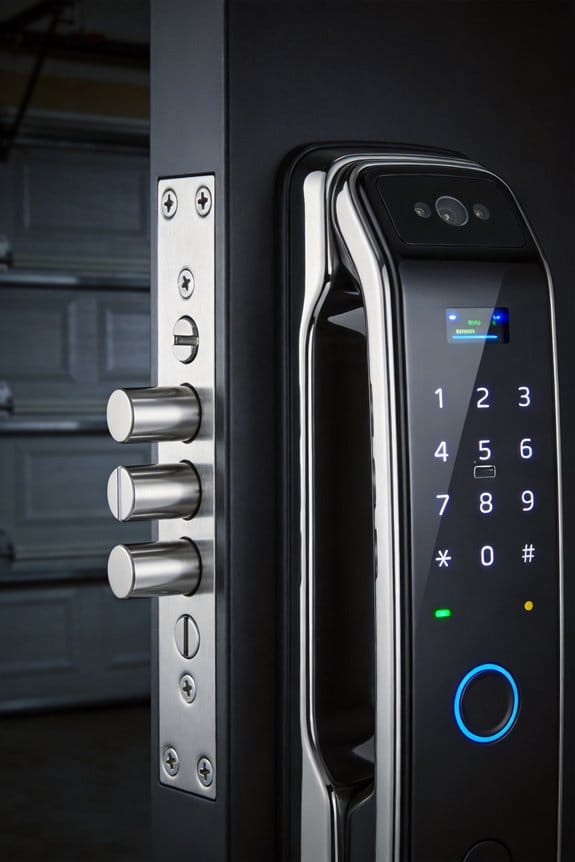
What Hardware’s Actually Required Before Amazon’s In-Garage Delivery Can Work in Your Home?
So you’re thinking about letting Amazon drop packages inside your garage while you’re at work. Smart move—but what do you actually need to make it happen?
The main piece of equipment is a myQ smart garage door opener. Millions of homes already have one sitting there, but if yours isn’t on the list, don’t sweat it. Installation is pretty straightforward for most people. The device hooks into your existing garage door, giving you remote access and the ability to let delivery drivers in through the Key by Amazon app.
Now, here’s where it gets real: installation difficulty depends on how old your garage door is and what type you’ve got. Older setups sometimes need a professional to do the work, which means extra money out of pocket. It’s worth asking yourself whether you’re comfortable with a DIY approach or if you’d rather pay someone to handle it.
Once everything’s up and running, you’ll get alerts on your phone every time a delivery happens. That’s useful for staying in the loop.
Want to boost security? You can add compatible cameras to actually see what’s happening in your garage during deliveries. These are optional, though—not required. The base myQ system does the job just fine on its own.
Honestly, the whole setup is manageable for most homeowners who want the convenience of never worrying about packages sitting on the porch. Is the upfront cost and installation worth the peace of mind to you?
Recommended Products
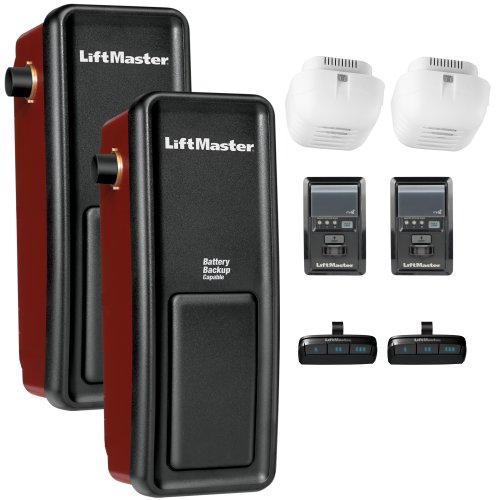
Side-mount design saves ceiling space and provides a sleek, modern installation option ideal for garages with limited headroom or obstructions

This sleek, space-saving design mounts on the wall beside your garage door, freeing up ceiling space

MyQ technology enables you to securely monitor and control your garage door opener and houselights
What In-Garage Delivery Can’t Protect You From
What In-Garage Delivery Can’t Protect You From
So you’re thinking in-garage delivery is the answer to porch pirates? It does solve a real problem—55.5% of Amazon deliveries end up stolen from porches, costing people around $112 per package on average. But here’s what most people don’t realize: getting packages inside your garage doesn’t mean they’re actually safe.
The biggest blind spot? Your own household. Family members, houseguests, or contractors can wander into your garage unsupervised and grab what they want. It happens more often than you’d think, and it’s awkward to even talk about.
Then there’s the tech side of things. Garage doors jam. Smart locks lose WiFi. And when that happens, your delivery driver either can’t get in or leaves the package sitting where anyone can find it. Installing a smart lock or keypad runs about $50, but neither one stops someone from stealing once the package is already inside your unmonitored garage.
Frankly, criminals know garage vulnerabilities better than most homeowners do. They understand door mechanisms, they know where to look, and they understand that many garages stay unlocked or under-monitored. A myQ smart garage door opener depends on steady WiFi and power—lose either one, and you’ve got gaps in your setup.
Try this approach instead: Don’t rely on in-garage delivery alone. Add surveillance cameras to your garage, use motion sensors, and actually check your deliveries regularly. These layers work together to catch problems before they become theft.
The bottom line? In-garage delivery helps, but it’s not a complete answer. What other security gaps are you worried about in your home?
Why Suburban Homes Need In-Garage Delivery More (But Face Different Risks)
Suburban Homes Need In-Garage Delivery More (But Face Different Risks)
Package theft hits suburbs hard. The numbers are pretty stark—suburban residents deal with a 150% higher theft rate compared to city dwellers. That’s not just inconvenient; it’s a real problem for your wallet and your sense of security. So why does this happen? Suburbs are spread out, neighborhoods have fewer eyes on the street, and packages sit visible for hours. In-garage delivery isn’t just a nice option anymore—it’s basically necessary.
The risks you face out here are different than what city folks deal with. Your house is probably set back from the road. Your neighbors might not notice someone pulling into your driveway. Thieves know this, which is why they target suburban porches and front doors. When a package sits there exposed, you’re basically asking for trouble.
Here’s the good news: you’ve got a straightforward solution. In-garage delivery takes away the whole porch-sitting problem. No visible package means no target.
Making In-Garage Delivery Actually Work
If you’re thinking about setting this up, the myQ smart garage door opener is worth considering. Installation runs about $50 if you need professional help, though plenty of people handle it themselves. Once it’s connected to your existing smart home setup, you’re golden.
Try this approach: When you order something, you can set it up so the delivery driver gets temporary access to your garage. The Key by Amazon app sends you a real-time alert the moment someone enters. You get instant notification on your phone—no waiting around wondering where your package is. The contactless part matters too, especially if you’re worried about strangers hanging around your house.
Honestly, the integration piece isn’t nearly as complicated as it sounds. If you’ve ever set up a smart speaker or connected anything to WiFi, you can handle this. Most systems link up without much fuss.
Why This Actually Solves Your Problem
Think about what changes when a package goes straight into your garage instead of your porch. The thief driving by doesn’t see anything worth stopping for. Your delivery sits in a locked space. You get alerts. It’s a pretty clean fix to a messy problem.
The real benefit? You’re not stressed every time you order something. That peace of mind is worth the small investment.
Is It Right for Your Home? Quick Evaluation Checklist
Is It Right for Your Home? Quick Evaluation Checklist
Before you jump into in-garage delivery, you need to be honest about whether it actually works for your situation. This isn’t about following trends—it’s about solving real problems in your home.
Start with the basics. Do you have a myQ-compatible garage door opener, or can you afford to install one without breaking the bank? If the tech side feels out of reach, that’s your answer right there.
Next, think about what you actually need. Are you tired of packages sitting on your porch? Do you worry about theft in your neighborhood? If convenience and security are real concerns for you, in-garage delivery tackles both at once. Honestly, if you’re not losing sleep over missing deliveries, this might be overkill.
Here’s where it gets real: Would you be comfortable letting Amazon access your garage through their app? Some people sleep fine with it. Others find the idea unsettling. There’s no wrong answer—it depends on what feels right to you.
The theft issue is worth paying attention to. Suburban neighborhoods see about 150% more package theft than urban areas. So if you live in a quieter neighborhood away from the city, your risk is genuinely higher. Why does this matter? Because it changes whether in-garage delivery is a nice-to-have or something you actually need.
Bottom line: If you’ve got the smart garage setup, you’re concerned about security, and packages disappear from your porch regularly, this solves a real problem. If none of those things apply to you, save your time and money.
Recommended Products

1/2 HP premium heavy-duty motor

Ultra-Quiet Garage Door Operation: Enjoy peaceful performance—near‑silent, low‑vibration operation is ideal for homes with attached garages or living spaces nearby. Built for long‑lasting reliability, it delivers powerful performance without the noise—perfect for refreshing an older garage system with a modern, quiet solution.
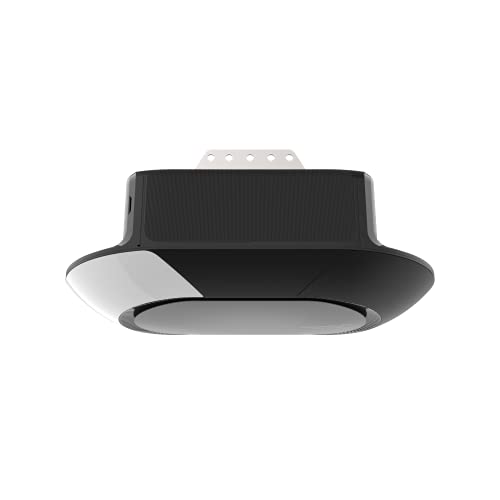
Smartphone control: Download the myQ app and follow the steps to connect your new garage door opener so you can control, secure and monitor the garage from your smartphone - anytime, from anywhere
When In-Garage Delivery Makes Sense: And When It Doesn’t
When In-Garage Delivery Makes Sense: And When It Doesn’t
Is your porch basically a free-for-all for thieves? If you’re watching packages disappear at the same rate as the 55.5% of thefts involving Amazon deliveries, it’s time to think differently about where your stuff lands.
Honestly, the numbers matter here. Suburban homeowners are getting hit especially hard—losing an average of $112 per package, and experiencing theft rates 150% higher than city dwellers. That’s not pocket change. If this sounds like your neighborhood, in-garage delivery actually solves a real problem: your packages never sit exposed on the porch in the first place.
But there’s a catch. You need the right setup for this to work:
- A myQ-compatible smart garage door opener (which millions of homes already have)
- An actual garage the delivery driver can access
- A functional smart home system that talks to your door
For people with these basics in place, in-garage delivery is solid. Your packages go straight inside, out of sight. No porch, no theft.
Now, the reality check. Renters and apartment dwellers? You’re probably stuck. Most landlords won’t let couriers into garages, and many apartments don’t have them at all. If you don’t have smart garage setup or a garage period, this option just isn’t available to you.
So where does standard delivery still make sense? Urban areas, frankly. If you live in a city where theft rates stay lower, a regular porch delivery might be perfectly fine. But if you’re suburban, your packages keep vanishing, and you’ve got a compatible garage door—why wouldn’t you use it?
The real question: what’s the actual security risk where *you* live?
Recommended Products
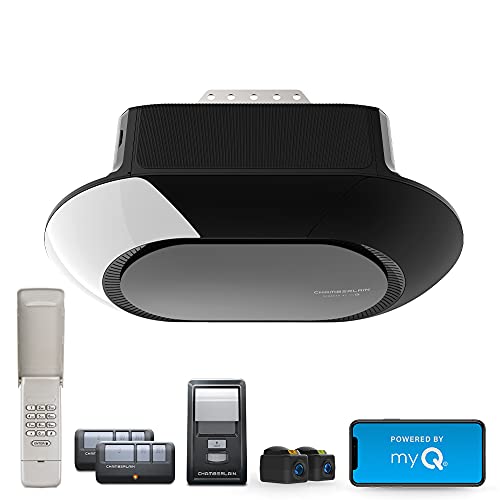
Smartphone control: Download the myQ app and follow the steps to connect your new garage door opener so you can control, secure and monitor the garage from your smartphone - anytime, from anywhere

No need for rails and hangers, it is suitable for all sectional residential garage doors up to 12 ft high

Smartphone control: Download the myQ app and follow the steps to connect your new garage door opener so you can control, secure and monitor the garage from your smartphone - anytime, from anywhere
Frequently Asked Questions
What Happens if My Garage Door Opener Malfunctions During a Scheduled Delivery?
If your garage door opener fails, it’s like a locked gate blocking delivery logistics. You’ll need to contact Amazon support immediately so they can reschedule. They won’t proceed without proper garage door security access—your package’s safety depends on it.
Can Delivery Drivers Access My Garage if I’m Away on Vacation for Weeks?
Yes, delivery drivers can access your garage during vacation if you’ve authorized the service. However, I’d recommend disabling garage access before leaving for weeks to protect your vacation safety and prevent unauthorized garage access while you’re away.
How Does In-Garage Delivery Affect My Homeowner’s Insurance or Liability Coverage?
I’d recommend contacting your homeowner’s insurance provider directly, as in-garage delivery may affect your liability adjustments and insurance coverage. Most policies don’t automatically account for third-party access to your home, so you’ll want to clarify your specific coverage details.
What Recourse Do I Have if Items Are Damaged Inside My Garage?
When your garage becomes a delivery zone, you’ll want to file damage claims directly with Amazon or the retailer. They’re typically responsible for repair responsibilities, though you should document everything with photos for leverage.
Are In-Garage Deliveries Subject to Different Return or Refund Policies Than Standard Deliveries?
I can’t find specific return policy differences for in-garage deliveries in my knowledge base. You’ll likely follow standard refund eligibility criteria, though I’d recommend checking Amazon’s policy directly since in-garage placement might affect damage claims differently than regular deliveries.