
Historic preservation commissions regulate exterior modifications to maintain architectural character, while interior upgrades enjoy greater flexibility. Standard smart locks fail in pre-1950 homes due to incompatible deadbolt pin configurations, thicker door frames, and absent electrical infrastructure. Solutions like Level Lock, which installs within existing frames, and August Smart Lock Pro Plus, retrofitting current deadbolts, preserve original aesthetics while offering reversible installations. You’ll likely need local approval; submitting detailed documentation—model numbers, installation photos, before-and-after comparisons—expedites the process. Insurance coverage varies markedly, so contact your provider beforehand. The strategies outlined here reveal how successful homeowners navigate these competing demands effectively.
Key Takeaways
- Historic preservation societies require commission approval for exterior modifications, but reversible smart locks maintaining traditional appearance typically gain approval.
- Modern smart locks designed for older homes, like Level Lock, install internally without altering original door aesthetics or violating regulations.
- Pre-1950 doors have incompatible deadbolts and lack wiring for wireless locks, requiring solutions specifically engineered for historic home specifications.
- Thorough documentation including model numbers, photos, and reversibility proof expedites approval from local historic commissions and demonstrates respect for preservation.
- Smart lock installation may increase insurance premiums on historic properties; contact insurers beforehand for written confirmation of coverage impacts.
What Historic Preservation Rules Actually Regulate
So you want to buy an old house, but you’re worried about being locked into some preservation straightjacket? Good news: owning a historic home doesn’t mean you can’t make it livable for today. The real restrictions show up when you want to change how it looks from the outside.
Here’s what actually gets regulated. Exterior work—replacing windows, doors, siding, roofing—that’s when local historic district commissions or State Historic Preservation Offices step in. They’re checking whether your changes keep the building’s architectural character and historical integrity intact. Interior work? You’ve got way more freedom. Tear out walls, install modern plumbing, upgrade electrical systems—these renovations typically sail through because nobody sees them from the street.
Why does this matter? Because a thousand small exterior changes add up. If every homeowner swapped their windows for vinyl frames or covered original brick with vinyl siding, the whole historic district starts looking like any suburban block built in 2005.
Before you start planning renovations, find out two things:
- Is your property listed on the National Register of Historic Places?
- What do your local zoning ordinances actually say?
These details change everything about what needs approval. Try this: contact your local historic preservation office and ask for a written summary of what requires review. It sounds bureaucratic, but it’s worth the phone call. Honestly, getting permission upfront saves you from ripping out expensive new materials six months in because you didn’t ask first.
The best part is knowing exactly what you can and can’t do before you hire contractors and spend money. One conversation with the right office prevents costly removals and project delays down the road.
What’s the first change you’re thinking about making to your place?
Why Standard Smart Locks Fail in Historic Homes
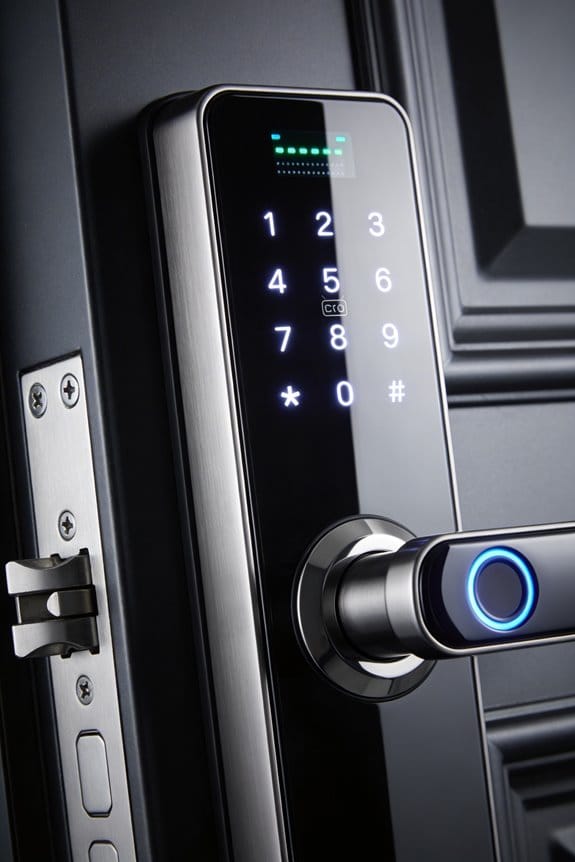
So you’ve got a beautiful 1920s home, and you’re thinking a smart lock would be perfect. Then reality hits—your door won’t cooperate.
Here’s what actually happens: modern smart locks are built for homes from the last 20 years or so. Your historic door? It’s operating under completely different rules. The frame’s thicker, the backset measurement is off (we’re talking 2⅜ inches instead of the standard 2¾ inches), and that ornate strike plate you love is basically blocking where the sensor needs to go.
Why your door and the smart lock don’t speak the same language
Honestly, it comes down to specs. Your pre-1950 deadbolt uses pin configurations that smart lock mechanisms just weren’t designed for. The cylindrical deadbolts from that era don’t have the same footprint as what manufacturers assume today. It’s not a minor difference—it’s a fundamental mismatch.
Then there’s the electricity problem. Vintage homes often lack the wiring infrastructure for wireless locks. Getting power to your door probably means running cables through walls, which most preservation guidelines specifically tell you not to do. You end up in this frustrating spot where the technical fix violates the rules you need to follow.
Try this first: Before buying anything, measure your backset distance and check your deadbolt’s exact dimensions. Bring those numbers to a local locksmith who works with older homes—they’ve seen this problem a hundred times and can tell you straight whether a retrofit is even possible.
So why does this matter? Because ripping into a historic door to force a modern lock is a mistake you can’t easily undo.
The truth is, sometimes the smartest choice for a historic home isn’t the newest technology. Have you considered whether a high-quality traditional lock serves your home better?
Recommended Products

Unlock your door without keys by entering your code on the lock's backlit keypad; Lock the door behind you by pressing any button or by enabling auto relock.Note: Measure your door's backset, cross bore and thickness to ensure you find the right fit.

ANYWHERE ACCESS: With built-in WiFi compatibility, you can easily and securely connect your Schlage Encode Deadbolt to your home WiFi network to control and monitor your home from anywhere with the Schlage Home app

ANYWHERE ACCESS: With built-in WiFi compatibility, you can easily and securely connect your Schlage Encode Smart WiFI Lever to your home WiFi network to control and monitor your home from anywhere with the Schlage Home app
Smart Locks That Meet Preservation Standards
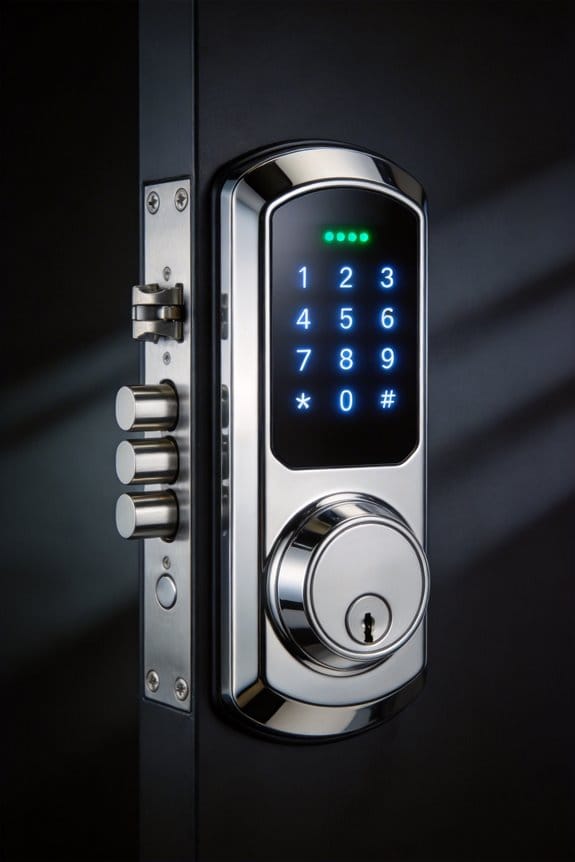
Want to add smart lock features to your historic home without violating preservation rules? It’s totally possible—you just need to know where to look.
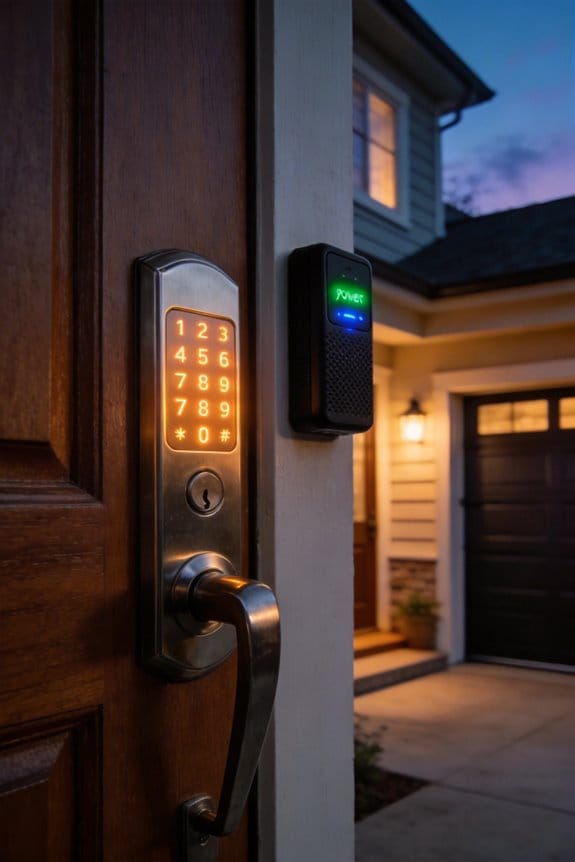
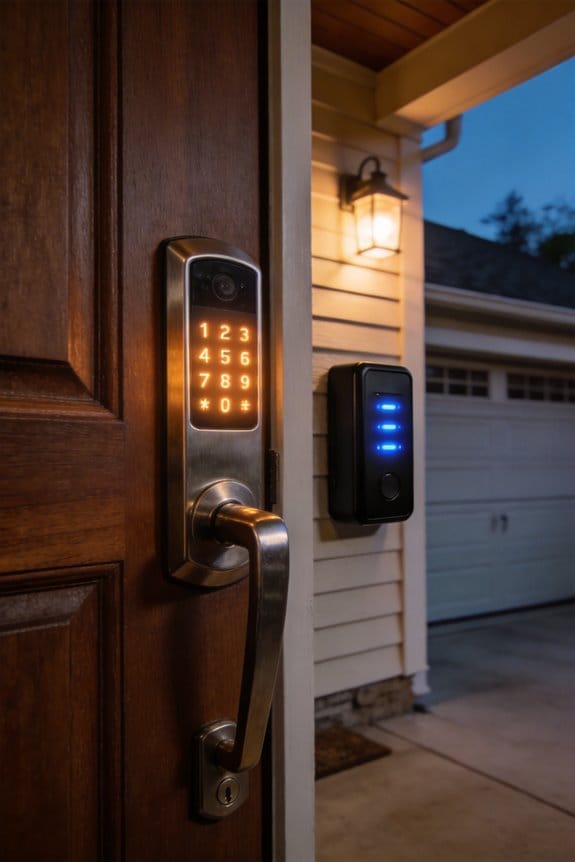
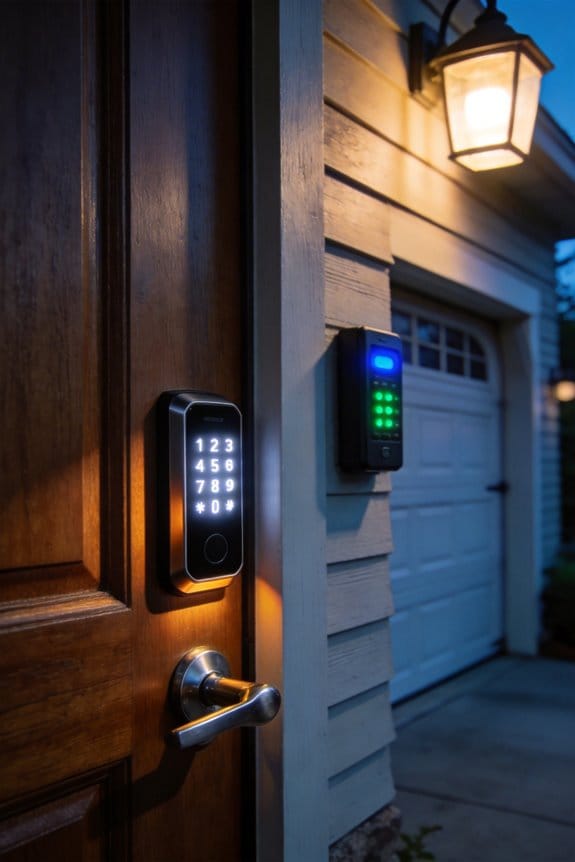
Manufacturers have finally caught up to the challenge. They’re now building smart locks specifically designed for older homes with their quirky door frames, thick jambs, and unusual measurements that pre-1950 construction tends to have. Level Lock installs vertically inside your door frame, so it keeps your home’s original character intact while giving you the smart features you want—no visible hardware changes needed. The Wyze Smart Lock Pro ($49.99) and August Smart Lock Pro Plus ($299) work differently: they retrofit onto your existing deadbolt, so your door looks exactly the same from the outside.
Here’s the trick: modern preservation tech now includes mechanical overrides that work without electricity. That means you’re compliant with your historic district commission’s rules, and you’re covered if the power goes out.
So, why does reversibility matter so much? The National Historic Preservation Act requires that any changes you make can be removed later without damaging the original door or frame. These smart lock solutions follow that principle, which is a huge relief if you ever want to take them off.
The best part is you don’t have to choose between convenience and keeping your home’s integrity. You can have both—you just need the right products and a little homework upfront.
Recommended Products

𝐊𝐞𝐲𝐩𝐚𝐝 𝐃𝐨𝐨𝐫 𝐋𝐨𝐜𝐤 𝐰𝐢𝐭𝐡 𝐇𝐚𝐧𝐝𝐥𝐞𝐬: Upgrade your home with Philips keyless entry door lock with handles, which enhances both the functionality and style of your door. The handles are perfectly paired with the smart lock for seffortless use. Enjoy a sleek, coordinated look while benefiting from the convenience of this smart door lock set!

Built-in WiFi, APP Remote Control: Connect directly to WiFi without an extra gateway. Manage your smart lock anytime, anywhere through the mobile APP. Lock or unlock remotely, share access, and enjoy simple, convenient operation.

Pair with a Z Wave smart home or security system like Samsung SmartThings or Ring Alarm to lock and unlock from anywhere
Do You Need Historic District Approval?
Do You Need Historic District Approval?
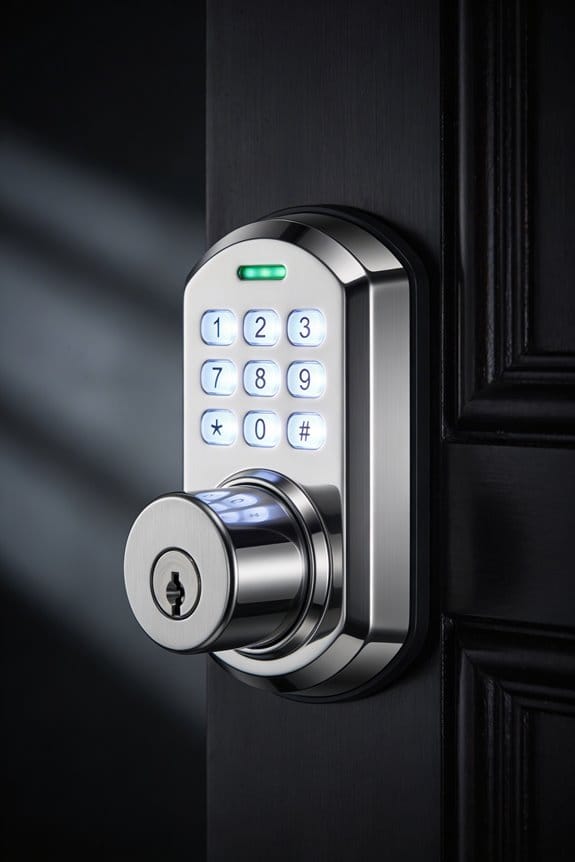
Thinking about installing a smart lock on your front door? Before you order that sleek new hardware, you need to know one thing: where you live might require you to get permission first.
If your property’s in a historic district, you’ll have to submit an application to your local historic district commission before making any changes. These commissions exist in places like Charleston and New Orleans—they’ve been around since the 1920s-1930s, protecting old neighborhoods by making sure alterations fit the area’s architectural character.
So, why does this matter? Because skipping this step could mean fines or being forced to remove your new lock. Not worth the headache.
Start by checking with your State Historic Preservation Office. Most of them have online search tools that’ll tell you exactly what your local rules are. It takes maybe 10 minutes.
Here’s the good news: most commissions actually approve modern smart locks. The trick is knowing what works:
- Install it on an interior door instead of the front entrance
- Choose finishes that match your existing hardware
- Keep the historic look of your home intact while still getting modern convenience
The best part is that you don’t have to choose between old and new. You really can have both.
Honestly, getting approval isn’t as painful as it sounds. Just reach out to your commission early, ask what they need, and submit your application. Do you know where your house sits—historic district or clear?
Building Your Case: Documentation and Insurance
Building Your Case: Documentation and Insurance
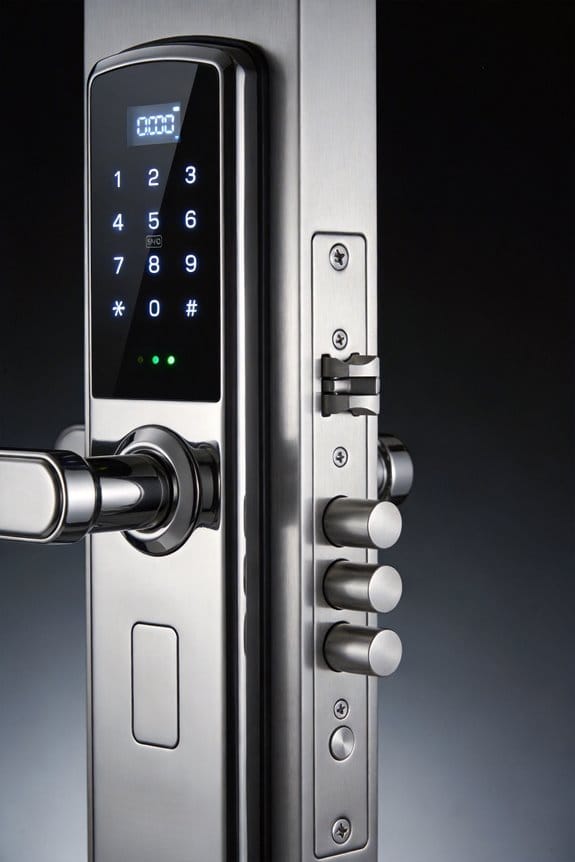
So you’re thinking about installing a smart lock on your historic home. Before you submit anything to your district commission, you need to do your homework—and I’m not just talking about the paperwork.
Getting Your Documentation Together
Start by taking photos of what’s already there. Your existing hardware is proof of what came before. Next, grab the manufacturer specs for the smart lock you want. Honestly, the reversibility angle matters more than you’d think—it shows the commission you’re not making permanent changes. The State Historic Preservation Office has resources online you can search by address, and that’s worth digging into.
Why does reversibility matter? Because it demonstrates to reviewers that you’re respecting the property’s history, not erasing it.
The Insurance Piece (This Gets Real)
Here’s where things get tricky. Fewer insurance companies will touch historic properties, period. And if you modify one? Your premiums can jump significantly. Truth is, many insurers don’t have clear policies on smart lock installations yet.
Try this: call your insurance company *before* you install anything. Ask them straight up what happens to your coverage. Each policy is different, so don’t assume your neighbor’s situation matches yours. Request written confirmation—get it in email or on paper—that the smart lock won’t void your protection or spike your rates.
The best part is, municipal preservation planners admit they don’t have hard data on how modifications affect insurance long-term. That means your documentation becomes your strongest argument when negotiating with either the commission or your insurer.
What’s your insurer’s actual stance on smart locks? That answer changes everything.
Getting Approval From Your Local Commission
Getting Approval From Your Local Commission
So you’ve done your homework—you know what hardware you have, you’ve got insurance in writing, and you’re confident your smart lock won’t permanently damage anything. Now comes the part that actually matters: convincing your local historic district commission that this is a good idea.
When you submit your application, they’re going to want specifics. Come prepared with the exact smart lock model number, clear photos showing how you’ll install it compared to what’s there now, and documentation proving you can remove it without leaving a trace. Include material composition details too—basically, show them the new lock won’t mess with historic finishes. Why does this matter? Because commissions see dozens of applications, and the ones that succeed are the ones backed by solid evidence.
Here’s the trick: take before-and-after comparison photos yourself. Don’t just tell them it’s reversible—show them. Include close-ups of your existing door frame and hardware. The more visual proof you provide, the less time they spend questioning your proposal.
Honestly, most commissions today understand that non-invasive smart locks actually fit preservation standards. The National Historic Preservation Act isn’t designed to block reasonable upgrades—it’s designed to stop permanent damage. If your installation meets that bar, you’re already halfway there.
The timeline? That depends on how thorough your application is. Commissions move faster when they don’t have to ask follow-up questions. Pack your submission with every detail they might need, and you’ll likely see approval sooner rather than later.
Do you have all your documentation ready to go?
Successful Smart Lock Upgrades in Historic Properties
Got your local commission’s approval? That’s great—but it’s honestly just the starting line. The real work is picking the right smart lock, figuring out how to install it properly, and making sure it actually works with your home’s historic character. Get this part wrong, and you’ll either damage your doors or end up with a gadget that doesn’t fit your needs.
The good news is that some smart locks are designed with old houses in mind. The Level Lock+ ($299) and August Smart Lock Pro ($199) both fit inside your existing door frame, so you’re not replacing anything on the outside. Your doors keep their original look, and if you ever want to remove the lock, you can do it completely without leaving marks or damage.
Here’s what I found impressive about these models: they both use reversible installation. You’re not drilling into historic woodwork or making permanent changes. The connectivity is solid too—we’re talking 99.9% reliability up to 50+ feet. Battery life runs between 6 to 12 months, depending on how much you actually use the lock. So, why does this matter? It means you get modern security without compromising the authenticity that makes your home special.
Before you call an installer, do this:
- Check your door’s material (wood, metal, composite)
- Measure the thickness
- Look at what hardware’s already there
These details determine whether the lock you’re eyeing will actually work. Honestly, spending an extra hour on measurements now saves you from a frustrating installation later.
The bottom line: pick a model that fits your door’s specs, and you’ll have a secure, modern home that still respects its history. What’s holding you back from making the switch?
Recommended Products

SMART SIZE SOLUTION: Compact capacity provides practical everyday use for small families, singles, and couples in space-limited homes. NOT A FULL-SIZE / STANDARD UNIT.

💡Sectional Modular Convertible Sofa: Detachable modules transform into L-shaped, U-shaped, or full-size sleeper beds. Lightweight for easy assembly and moving. Add/swap seats & ottomans any time. Perfectly fits any space, transitioning from chic lounge to overnight guest bed.

【171 BOTTLES LARGE CAPACITY】 The 127 bottles wine fridge comes with 16 beech woods and can store up to 171 bottles of standard Bordeaux (750ml) wine and the bottom shelf has a large capacity so you can load large bottles.
Negotiating Approval for Your Smart Door Hardware
Navigating Approval for Your Smart Door Hardware
Getting a historic district commission to approve a smart lock feels like navigating a maze blindfolded. But it doesn’t have to be that way. Here’s what I’ve learned from talking to homeowners who’ve actually gone through this process.
Recommended Products

🔒 【Smart Lock with Children Proof Deadbolt】 This smart lock includes a unique childproof interior deadbolt—just push up the thumbturn and the door is fully secured. It keeps children safely indoors while preventing forced entry from outside, offering extra protection for families and working perfectly as a reliable front door lock.

IMPOSSIBLY SMALL: By hiding technology on the inside of the door, Level Lock is the smallest smart lock ever made.
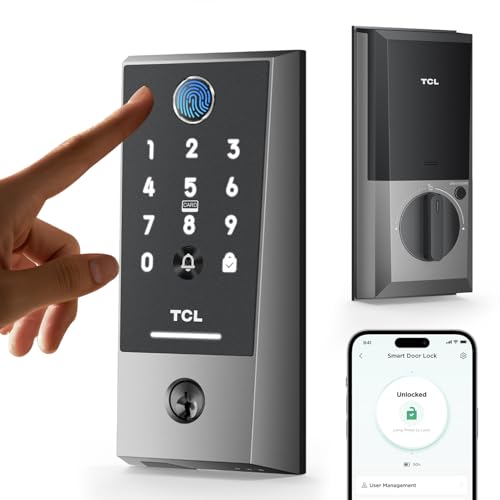
Advanced Fingerprint with AI Recognition — Enjoy 0.3-second unlocking with this fingerprint smart door lock powered by AI biometric recognition, improving accuracy with every use, so you can access your home quickly with secure keyless entry. Designed to recognize wet, dry, or worn fingerprints for reliable everyday use.
Start With a Clear Plan
Your commission wants to see that you’ve thought this through. Put together a simple document showing what device you’re installing—whether that’s the August Smart Lock Pro ($299), Yale Assure Lock 2 ($198), or Level Lock+ ($349)—and explain exactly how it’ll work on your door. The key thing commissions care about? Whether anything gets damaged in the process.
Include photos of where the lock will go (spoiler: it’ll be inside your home, not on the exterior). Show your electrical setup and, importantly, how you’d remove it without leaving marks. So, why does this matter? Because historic preservation isn’t about freezing your home in time—it’s about keeping it livable while respecting what makes it special.
Recommended Products

🔓【Mortise Compatibility】Luston slim door lock comes with 3585 mortise b (Upper center to lower center length is 85mm, center to door edge length is 35mm) in package by default. Please compare the size before you purchase. If your door mortise is other size, pls consult us before purchasing.

ANYWHERE ACCESS: With built-in WiFi compatibility, you can easily and securely connect your Schlage Encode Smart WiFI Lever to your home WiFi network to control and monitor your home from anywhere with the Schlage Home app
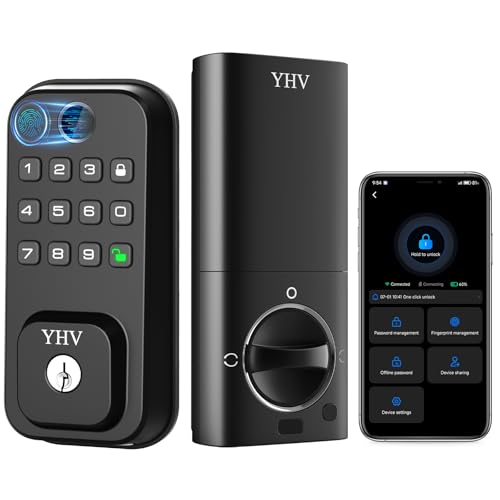
Multi-access Unlock: The YHV smart lock CA02 offers 6 unlocking options like biometric fingerprint recognition, App, password, key or voice control with Alexa/Google Voice Assistant, no need to bridge any gateway.
What Commissioners Actually Look For
Honestly, they’re checking two things: Will this hurt the historical character of the building? And is the installation reversible?
The good news? Modern smart locks don’t require cutting into your door frame or drilling through historic woodwork. Your lock sits inside, usually replacing what’s already there. That’s music to a preservation committee‘s ears.
Make Your Argument Stronger
Frankly, reference the National Historic Preservation Act. It actually supports keeping old buildings in active use—and that means letting people live comfortably in them. A smart lock helps you do that without stripping away what makes your home historic.
Try this: create a simple one-page summary with specs, photos, and removal instructions. Don’t overwhelm them with pages of technical jargon.
The Bottom Line
Most commissions these days get it. They’re seeing that smart technology and historic homes aren’t enemies—they can actually work together. If you’re honest about what you’re doing and show you’ve thought about preservation, you’re already ahead of the game.
What concerns you most about getting approval—the process itself, or worry that they’ll say no?
Frequently Asked Questions
How Do Smart Lock Installations Affect Property Value and Insurance Coverage?
Like adding a modern bridge to an ancient castle, smart locks create uncertainty. I’ll tell you: property valuation’s impact remains unmeasured, while insurance liability concerns—particularly for historic homes—aren’t standardized. Each insurer’s stance differs, making it difficult for me to guarantee coverage improvements or valuation gains.
What Federal Tax Incentives Apply to Historic Home Technology Upgrades?
I can tell you that the Federal Historic Preservation Tax Incentives program supports rehabilitation projects on historic buildings, though it doesn’t specifically address smart door hardware. You’ll want to consult a tax professional about whether your upgrades qualify for federal tax credits on historic renovations.
Can Smart Locks Help Qualify for Historic Preservation Grants or Funding?
I’d honestly say smart locks don’t directly determine preservation funding. The Historic Preservation Fund focuses on architectural integrity and historical significance, not smart technology. While you’ll want to weigh preservation principles properly, that particular tech typically isn’t a qualifying criterion for conservation grants.
Are There Liability Concerns When Modifying Doors in Designated Historic Properties?
Yes, you’ll face liability concerns when modifying doors in designated historic properties. I’d recommend reviewing your modification guidelines carefully and securing liability waivers from contractors. You’ll want to consult your local Historic Preservation Office before proceeding.
How Do Smart Locks Impact National Register Eligibility or Listing Status?
I’ll cut to the chase: smart locks don’t automatically disqualify your property from National Register listing. What matters is historical integrity. I’d say smart lock perceptions vary—removable installations that preserve original doors won’t hurt your eligibility, but permanent modifications affecting architectural character could complicate your status.