
Remote smart lock deactivation constitutes illegal self-help eviction across virtually every U.S. jurisdiction, violating tenant protection statutes including California Penal Code §418 and New York’s Housing Stability Act. Landlords face criminal prosecution, daily civil penalties ranging from $100–$10,000, and substantial damages claims. Tenants can immediately contact police, obtain emergency court orders, and recover documented losses including housing costs and emotional distress. Understanding these legal frameworks reveals why proper court-ordered eviction procedures remain the only lawful approach.
Key Takeaways
- Remote smart lock deactivation for eviction is illegal in most jurisdictions and constitutes criminal self-help eviction without proper court authorization.
- Landlords must follow legal eviction procedures including written notice, unlawful detainer court filings, and sheriff-executed evictions to lawfully remove tenants.
- Tenants facing smart lock lockouts should immediately contact police, document the incident, and consult housing attorneys for emergency legal assistance.
- California Penal Code §418 and Civil Code §789.3 impose criminal charges and daily penalties of $100 for illegal smart lock lockouts.
- Smart lock activity logs provide critical evidence of unauthorized deactivation attempts and support tenant claims for damages in civil lawsuits.
Smart Lock Lockouts Are Illegal Everywhere: Here’s Why
Smart Lock Lockouts Are Illegal Everywhere: Here’s Why
You’ve probably heard about landlords using smart locks to keep tenants out. Maybe it’s happened to you, or you’re worried it might. The truth is, it’s not just unfair—it’s actually against the law just about everywhere.
Landlords love smart locks because they’re convenient. Remote access, entry logs, the ability to monitor who’s coming and going—it all sounds great from a property management perspective. But here’s where it gets messy: if a landlord uses that technology to lock you out as a way to force you to leave, they’ve crossed a serious legal line.
Why does this matter? Because self-help eviction—that’s the legal term for what happens when a landlord bypasses the court system to remove a tenant—is a crime in virtually every state.
California’s Stance Is Crystal Clear
In California, if your landlord deactivates your smart lock to push you out, they’re violating Penal Code §418. You’re talking about $100 per day in penalties, plus actual damages under Civil Code §789.3. That adds up fast.
New York Takes It Even Further
New York’s Housing Stability Act classifies unlawful eviction as a Class A misdemeanor. We’re not talking about a slap on the wrist here. Civil penalties range from $1,000 to $10,000. The state treats this seriously because tenants need real protection.
The Rules Around Smart Lock Access
Most states with smart lock regulations have clear requirements:
- Landlords must give you 24 hours’ notice before entering
- You need to give informed consent for data collection
- Digital access systems can’t be used as harassment tools
Honestly, these rules exist because landlords were abusing the technology. Municipal ordinances in many cities now specifically protect tenants from harassment involving digital locks.
What’s Actually Legal
The only way a landlord can remove you is through the court system. They have to file for eviction, give proper notice, and let a judge decide. Even if you’re behind on rent or you’ve broken your lease, that’s the process. No shortcuts. No smart lock tricks.
Skip the court process, and your landlord faces criminal liability. Period. It doesn’t matter what you owe or what you’ve done.
If you’re dealing with a lockout right now, document everything and contact a local tenant rights organization or attorney immediately. You likely have a strong case, and the law’s on your side.
Legal Eviction vs. Smart Lock Shortcuts: What the Law Actually Requires
Honestly, if you’re a tenant facing a landlord who’s thinking about using a smart lock to kick you out, you need to know something: that move is illegal, and there are real consequences. But understanding the law means knowing what the *right* process actually looks like—and why landlords who skip it end up in serious trouble.
Before a landlord can remove your access to a rental, they have to go through the courts. Full stop. It doesn’t matter what your lease says or whether you’ve missed rent. That’s the non-negotiable part.
The formal eviction process isn’t fast or easy—on purpose. Your landlord has to start by giving you written notice, delivered in person, sent certified mail, or posted on your door. Only *after* that can they file what’s called an unlawful detainer action. The court has to review everything—whether the notice was served correctly, whether all the paperwork is in order—before granting an eviction. And even then, only a sheriff or marshal can physically remove you. A landlord doing it themselves? That violates California Penal Code §418, which covers illegal lockouts.
So why does this matter? Because the law backs you up with real teeth:
- California Civil Code §789.3 means your landlord owes you $100 *every single day* the illegal lockout happens, plus whatever actual damages you suffered
- New York’s Housing Stability Act treats this as a Class A misdemeanor with civil penalties ranging from $1,000 to $10,000
That smart lock your landlord disabled? It’s not a shortcut. It’s a felony waiting to happen. Courts take procedure seriously because tenants’ rights depend on it.
California and New York Penalties for Remote Lockouts
California and New York Penalties for Remote Lockouts
Your landlord just disabled your smart lock. You can’t get inside your apartment. There’s no court order, no eviction notice—just a locked door and panic. This happens more often than you’d think, and it’s illegal in most places. Here’s what you actually need to know if you’re facing this situation.
California’s Approach to Illegal Lockouts
California takes self-help evictions seriously. Under Civil Code §789.3, your landlord owes you $100 for each day you’re locked out, plus any real damages you can prove (lost wages, hotel costs, that kind of thing). It doesn’t matter if you’re behind on rent or your lease is sketchy—the law protects you.
On top of that, Penal Code §418 classifies what your landlord did as a criminal offense. Frankly, this means they could face jail time, not just a fine.
The protection kicks in once you’ve lived somewhere for 30 days or longer. So even if you’re month-to-month, you’re covered.
New York’s Stricter Rules
New York’s Housing Stability Act of 2019 came down hard on landlords trying to skip the court process. If your landlord locks you out without a court order, they can be charged with a Class A misdemeanor. Honestly, that’s serious criminal stuff.
On the civil side (the money side), you’re looking at $1,000 to $10,000 per incident. Think about that: one remote lockout could cost your landlord five figures.
Like California, New York requires a court order before any lockout happens. Period.
Why This Matters
So, why does this matter? Because landlords who know the penalties are way less likely to try these shortcuts. The law exists specifically to stop the “just lock them out” approach that some landlords think is faster or cheaper than eviction court.
Both states treat this the same way: try this:
- Keep records of when the lockout happened
- Take photos or video of the locked door
- Document any costs (hotels, meals, missed work)
- Contact a lawyer right away
Don’t wait around hoping it resolves itself. The sooner you act, the stronger your case.
What to Do Right Now
If you get an improper eviction notice or your lock gets disabled, call a tenant rights organization or lawyer the same day. Default judgments happen when tenants don’t respond—and they’re hard to undo.
You don’t need to be perfect to deserve a home. The courts get that. Your job is to protect yourself by getting legal help fast and keeping evidence of what happened.
Stop a Smart Lock Lockout: Your Immediate Legal Remedies
You’ve documented the penalties your landlord faces, but frankly, that doesn’t get your key back in the door right now. Here’s what actually works:
Call the police immediately. Report this as an illegal lockout—reference Penal Code §418 if you’re in California, or New York’s Housing Stability Act if you’re on the East Coast. When you call, be specific: tell them you’re a tenant, you haven’t been evicted through court, and you can’t access your home. Why does this matter? Because law enforcement takes illegal lockouts seriously, and you need that official report on record.
Next, reach out to your local tenant rights organization. These groups exist exactly for situations like this. The best part is they can file emergency court orders to restore your access—sometimes within hours, not weeks. Many of them have been doing this work for years and know how to cut through the red tape.
Try this: simultaneously contact a housing attorney who handles unlawful detainer cases. Look for someone who offers emergency consultations. You need legal backup, and speed counts here.
Document everything as you go:
- Write down exact times when you discovered the lockout
- Keep records of every text, email, or call you made to your landlord
- Get names and contact info for anyone who witnessed the lockout
- Take photos or video of the locked door with a timestamp
File a civil complaint once you’re back inside. In California, you can demand damages under Civil Code §789.3—that’s $100 per day plus whatever it actually cost you. New York has Class A misdemeanor provisions that pack similar teeth. These complaints help you recover money and establish your right to reentry.
The bottom line: you’ve got legal weapons here, and they work fast when you use them together. What’s stopping you from making that first call to police right now?
Recommended Products

OSHA Compliant LOTO Kit - Lock Out Tag Out Kit with (95) comprehensive lockout tagout devices, including a tear-resistant polyester canvas tool bag organizer; developed and tested to ensure proper control of hazardous energy

Industrial Grade LOTO Station - (105) multifunctional lock out tag out devices, including an ultra-durable lockout tagout kit board made from engineering polycarbonate material with tough transparent lockable cover to protect tools from dirt, prevents unauthorized use of lockout tagout devices

1 [New Lockout Tagout Station]:The latest metal LOTO STATION, very solid and heavy, transparent and very thick acrylic surface. 12 clips for hanging safe padlocks. Two adjustable layered partitions make full use of space.
Document and Prove the Lockout: What Smart Lock Data Reveals
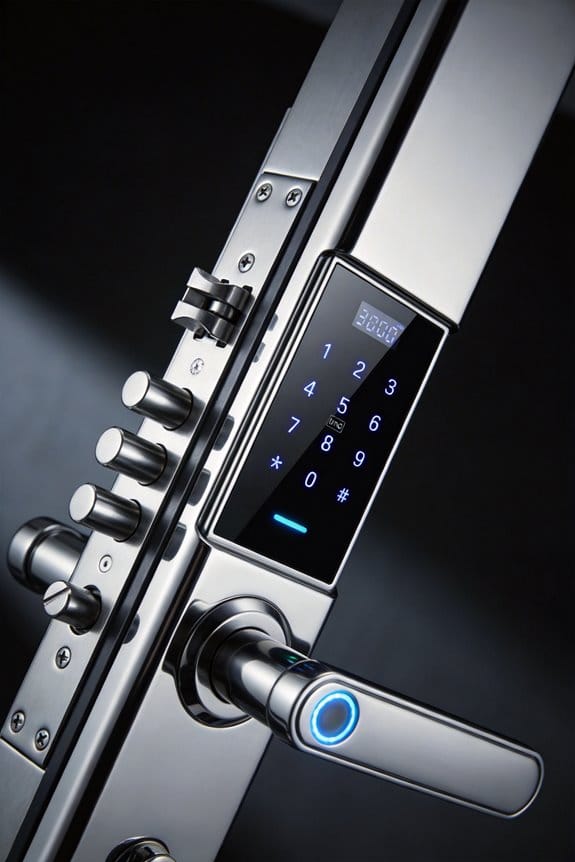
Document and Prove the Lockout: What Smart Lock Data Reveals
Your smart lock is basically a witness that never sleeps. Every time you try to enter your home, every failed attempt, every moment your landlord remotely shut you out—it’s all recorded. That digital trail is your strongest weapon when proving an illegal lockout happened.
Here’s what you’re working with: timestamps, access attempts, and deactivation records. This isn’t vague stuff. It’s concrete proof showing exactly when your landlord disabled your entry. So, why does this matter? Because courts take this kind of technical evidence seriously, especially when it backs up your story.
Start by getting your lock’s complete activity log. Most systems—August Smart Lock Pro, Level Lock, and similar brands—keep records for at least 90 days. Contact your device manufacturer or check the app settings to pull this data. Take screenshots of everything showing failed access attempts after the lockout date. Don’t skip this step; visual proof matters more than you’d think.
The real power comes when you cross-reference your lock data with other evidence:
- Photos of any notices left at your door
- Rent payment records showing you paid what you owed
- Witness statements from neighbors or friends who saw you locked out
- Utility bills proving you lived there
Honestly, this combination transforms what could sound like “my landlord locked me out” into a documented timeline that’s hard to dispute. Courts recognize smart lock evidence as technically reliable, and that credibility sticks around.
When you have all this together, you’ve gone from making allegations to presenting proof. Your legal position gets stronger because you’re not asking anyone to take your word for it—the data speaks for itself.
Ready to pull that lock data? The sooner you do, the better your case becomes.
Recommended Products

Auto-Switch Mops with Three-Solution Compartment: Our innovative dock auto-switches three mop types by room, paired with its three-solution compartment to deliver a fresh, customized clean.

Advanced multisport GPS smartwatch for athletes/adventurers features a big, bright 1.4” AMOLED display with scratch-resistant sapphire lens, durable titanium bezel and a built-in LED flashlight for after- dark visibility

Versatile Unlocking Options - Lockly Smart Locks offer a range of access methods, including the patented PIN Genie keypad, 3D biometric fingerprint sensor, mobile app control, voice commands and traditional physical keys. The Lockly Deadbolt is designed for durability with an IPX4 rating, making it suitable for both residential and commercial use.
Protecting Your Privacy When Smart Lock Companies Enable Abuse
Protecting Your Privacy When Smart Lock Companies Enable Abuse
Your smart lock is basically a digital record keeper—it logs every time someone enters, tries to enter, or disables the system. Timestamps, access attempts, deactivation events, user identities. The problem? Most manufacturers don’t actually stop landlords from using that data however they want.
Frankly, privacy policies are often vague about this stuff. They rarely require landlords to get your permission before looking at access logs, which creates a real opening for misuse. Lockouts in the middle of the night, suspicious access denials, sudden restrictions—it can happen, and you might not even realize the digital trail that enabled it.
So why does this matter? Because once someone has that data, it’s easier for them to harass you or evict you based on manipulated access records.
Here’s what you can actually do about it:
Start by reading your smart lock’s privacy policy—I know, it’s boring, but it’s necessary. Look for three specific things:
- What data does the company keep?
- Who gets access to it?
- How long do they store it?
Once you understand what’s collected, take this step: demand written consent agreements. Before your landlord gets access to *any* logs, they should sign something saying they won’t use digital access manipulation for harassment or eviction. Make it explicit. Make it binding.
Request that unnecessary logs get deleted. Most smart locks keep way more history than anyone actually needs. Push back on that. Also ask your landlord to follow data minimization—meaning they only keep what’s truly essential for property management.
Truth is, California law actually backs you up here. If someone uses your data without permission or in a way that harms you, you can sue for damages and get a court injunction to stop it. That’s real leverage.
What’s the first conversation you need to have with your landlord about access to your smart lock data?
Recommended Products

CPU: AMD Ryzen 7 7730U (8C / 16T, 2.0 / 4.5GHz, 4MB L2 / 16MB L3). The CPU integrates all eight cores based on the Zen 3 microarchitecture clocked at 2 (guaranteed base clock) to 4.5 GHz (Turbo) and support SMT / Hyperthreading (16 threads). The chip is manufactured in 7nm at TSMC.

Strong, Fast, Smart, Durable, & Safe: 355 lb lifting capacity; dual German-made motors; 3-stage legs (33% faster movement & 33% greater height range); advanced anti-collision system; included wire management tray keeps cords tidy

Featuring an ultra-lightweight body and 80 Watt-hour battery, the LG gram lets you quickly switch between a laptop and tablet with a 16-inch 16:10 WQXGA IPS touch screen, LG Stylus Pen, and full-size backlit keyboard
Landlord Liability: Criminal Charges, Civil Damages, and Tenant Lawsuits
Landlord Liability: Criminal Charges, Civil Damages, and Tenant Lawsuits
So you’re thinking about deactivating a smart lock to push a tenant out without going through eviction court? That’s a move that could cost you big time—and I’m not just talking about money.
When you remotely lock a tenant out, you’re opening yourself up to criminal prosecution, civil lawsuits, and serious financial penalties. Why does this matter? Because courts don’t see this as a business decision. They see it as deliberate harassment.
What the Laws Actually Say
California makes this pretty clear. Under Civil Code §789.3, you’re looking at $100 in penalties every single day the lockout happens, plus whatever actual damages the tenant can prove. On top of that, Penal Code §418 makes self-help evictions a criminal offense. That’s not a civil fine—that’s a potential criminal charge on your record.
New York takes it even further with their Housing Stability Act. An unlawful eviction there is a Class A misdemeanor. You could face $1,000 to $10,000 in civil penalties, depending on the circumstances.
What Tenants Can Actually Recover
This is where it gets expensive. Tenants aren’t just getting back their security deposit. They can sue for:
- Displacement costs (hotels, moving expenses, storage)
- Emotional distress damages
- Attorney fees and court costs
- Any lost wages from missing work
Courts are particularly harsh when they see evidence of remote lock deactivation. The fact that you did it from your phone, without warning, actually strengthens the case against you. It shows intention.
Your Best Defense
Honestly, the strongest protection isn’t avoiding lawsuits—it’s documentation. Keep detailed records of every communication with the tenant, every maintenance request they ignored, every late payment notice. If you ever end up in court, these documents matter.
Try this: photograph and timestamp everything. Keep copies of all texts, emails, and notices. The best part is, this documentation doesn’t just help in court—it often prevents problems before they start.
Bottom line? A proper eviction through the courts takes longer, but it costs way less than a lawsuit where you’re the defendant.
What’s stopping you from going through the legal process instead?
Frequently Asked Questions
Can I Change My Locks if My Landlord Installs a Smart Lock Without My Consent?
You shouldn’t change your locks without permission—it risks lease violation and eviction. Instead, assert your tenant rights by documenting the unauthorized smart lock installation and contacting your landlord in writing about the smart lock implications for your privacy and security.
What Constitutes Proof of Tenancy if My Lease Is Verbal or Informal?
You’re protected even without written leases. I’d gather rent payment records, utility bills showing your name, paystubs listing your address, and landlord communications—these documents prove your tenancy and protect your tenant rights under verbal agreements.
Do Smart Lock Companies Have Legal Obligations to Refuse Landlord Lockout Requests?
I’d say smart lock companies lack explicit legal obligations to refuse lockout requests, but they’re bound by smart lock regulations requiring informed consent and tenant privacy protections. They shouldn’t enable self-help evictions or harassment through digital access manipulation.
Can I Pursue Criminal Charges Against My Landlord for Remote Smart Lock Deactivation?
Yes, you can pursue criminal charges against your landlord for remote smart lock deactivation. It’s an illegal lockout violating your tenant rights. Report it to local police and consult an attorney immediately—you’ll likely qualify for damages and penalties under state law.
What Damages Can I Recover Beyond the $100 Daily Penalty for Illegal Lockouts?
Like a medieval knight seeking redress, you’re entitled to eviction damages beyond the daily penalty: actual losses, moving costs, emotional distress, and attorney fees. These legal remedies compensate your full harm, while harassment claims under local ordinances strengthen your case substantially.