
Smart water shutoff valves integrate with your home network via Z-Wave protocol, automatically detecting abnormal flow rates and shutting off your main water supply within seconds—reducing water damage claims by 96%. These systems operate independently from internet connections, ensuring functionality during outages, while sending real-time alerts about pressure, temperature, and usage changes to your smartphone. Installation requires no plumber, costs $200–400 less than professional service, and features IP66 waterproof ratings for reliability. Discover how vacation-mode automation prevents catastrophic damage.
Key Takeaways
- Smart water shutoff valves automatically detect abnormal flow and shut off water within seconds, preventing damage while homes remain unoccupied during vacations.
- Z-Wave protocol integration enables seamless connection to smart home hubs, providing real-time alerts and remote control without complex wiring requirements.
- Automated vacation settings allow continuous whole-home water monitoring and instant notifications for unusual activity, ensuring peace of mind while away.
- Smart valves operate independently from internet connections and feature battery backup, maintaining protection during power outages at vacation properties.
- DIY installation eliminates plumber costs ($200-400) with straightforward setup using standard tools, while real-time usage statistics optimize water consumption patterns.
Why Vacation Homes Face the Highest Water Damage Risk
Why Vacation Homes Face the Highest Water Damage Risk
Your vacation home sits empty for weeks or months at a time. Meanwhile, a pipe bursts in the basement, a fixture slowly leaks under the sink, or something fails silently in your plumbing system—and you won’t know about it until you walk in to find water damage that’s already destroyed drywall, flooring, and everything else in its path.
The numbers are sobering: 2 out of 5 homeowners deal with water damage at some point. But vacation properties? They’re hit way harder because nobody’s there to catch problems early. You can’t spot a leak if you’re not home to see it.
So, why does this matter so much for your specific situation?
When a property sits unoccupied, burst pipes and hidden plumbing failures have weeks to do damage without anyone knowing. The conditions are basically perfect for a disaster—no one walking around, no one checking under sinks, no one noticing wet spots on the ceiling.
Smart water shutoff valves actually solve this problem. These systems watch for abnormal water flow patterns while you’re away. If something looks off—like water running when nobody’s home—the valve automatically shuts off the main water supply before real damage happens. You don’t need to be glued to your phone or even reachable; the system works on its own.
The results speak for themselves:
- 60% of new installations catch unknown leaks within the first month
- Water damage claims drop by 96% with these systems in place
- You get whole-home monitoring without lifting a finger
Honestly, for someone who owns a vacation property, this is one of the smartest moves you can make. It’s the difference between a $500 repair and a $50,000 disaster.
Protecting your vacation home doesn’t have to be complicated. What’s stopping you from installing one of these systems before something goes wrong?
Smart Valves vs. Traditional Leak Detection: Which Works Better

Ever come home from vacation to find water pooling in your basement? That’s the nightmare scenario that got me thinking about the difference between smart water shutoff valves and traditional leak detection systems.
Here’s what I discovered: traditional leak detectors are basically smoke alarms for water. They alert you when something’s wrong, but then you’ve got to actually do something about it—shut off the main valve, call a plumber, hope the damage isn’t too bad. If you’re away when a pipe bursts? You’re just crossing your fingers and hoping for the best.
Smart valves work differently. They don’t just tell you there’s a problem—they actually stop the water automatically. No waiting for you to get home or for someone to respond. That gap between detection and action? Gone.
So why does this matter? Because water damage spreads fast. In the time it takes to get a text alert and figure out what’s happening, you could lose thousands in repairs. I’ve read that homes with automatic shutoff systems see about a 96% reduction in water damage claims compared to detection-only setups. That’s not a small difference.
The other advantage is that smart systems keep watching your whole house. They track your water flow patterns and catch weird spikes or slow leaks that traditional sensors might miss entirely. You get real-time alerts on your phone, and you can control things remotely if needed.
Frankly, the one concern people mention is: what if my internet goes down? The good news is that most inline smart valves operate independently. They don’t need your app or WiFi to work—they’ll shut off automatically if they detect something wrong, period.
If you’ve got the budget and you’re worried about being away from home, a smart valve makes real sense. Detection systems have their place, but automatic response just wins on this one.
Recommended Products

BUNDLE INCLUDES: (1 count) Flo by Moen 1-1/4-Inch Smart Water Shutoff; (1 count) Flo by Moen Smart Water Detector

NSF CERTIFIED, ALL-IN-ONE – Integrated ultrasonic water mete and motorized shutoff valve for potable-water applications; choose 1/2", 3/4", 1", 1-3/4", 1-1/2", or 2".
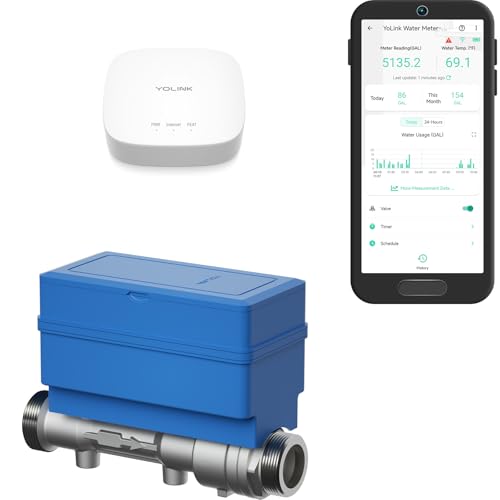
NSF CERTIFIED - Approved for drinking water applications in homes and commercial buildings.
How Automatic Shutoff Prevents Damage When You’re Away

What happens when you’re halfway across the country and your kitchen sink starts leaking? That’s where automatic shutoff systems really prove their worth. Detection alerts are nice, but they only tell you there’s a problem—they don’t actually stop the water. Automatic shutoff valves do both. The moment your system detects unusual water flow, the valve closes within seconds. No waiting for you to see a notification and call a plumber. No app needed. The water just stops.
This matters most for vacation homes and rental properties. You’re gone for weeks, a pipe bursts in the basement, and by the time you find out, you’ve got thousands in damage. An automatic shutoff handles it while you’re sleeping 500 miles away.
Here’s what the data actually shows: systems with automatic shutoff cut water damage claims by 96%. Plus, about 60% of new installations catch leaks people didn’t even know they had within the first month. That’s not just prevention—that’s discovering problems before they become disasters.
Battery backup is the other piece that matters. If the power goes out (which happens during the kinds of storms that cause pipe damage), your shutoff still works. You’re protected either way.
Recommended Products

Truly Hands-Free Convenience: Experience a fully automated bathroom routine with the LW-S02 MAX Smart Toilet. The auto-lid and seat open and close effortlessly, while the auto-flush activates as you stand. A foot sensor allows seamless control for opening, closing, and flushing, and additional adjustments can be made via the included remote or side knob

Dual fuel design on both gasoline (4500 surge watts, 3500 rated watts) and propane (4500 surge watts, 3150 rated watts) with auto fuel selection runs for longer runtimes

TOUCH-FREE CONVENIENCE – Experience next-level cleanliness with fully automated features including auto lid open/close, off-seat auto flush, foot-activated open/close/flush, plus both a wireless remote and side control knob.
Connecting Your Valve to Your Smart Home Network

Connecting Your Valve to Your Smart Home Network
Trying to figure out how to actually *use* that smart water shutoff valve you just installed? The good news is that most of them work with Z-Wave, which talks wirelessly to your smart home hub, leak detectors, and security system all at the same time. No separate wiring projects needed.
So, why does this matter? Because once it’s connected, you get real alerts on your phone when something goes wrong—and you can shut off your water from anywhere. Whether you’re at work, on vacation, or three states away, you’ve got control.
The setup is pretty straightforward:
- Your valve pairs with your existing smart home hub through Z-Wave protocol
- Everything communicates wirelessly without extra installations
- You link water shutoff to your vacation settings automatically
Frankly, the battery backup is what sold me on this. If the power goes out, your valve keeps working. You’re protected either way.
Here’s the thing about compatibility—almost every modern smart home system supports Z-Wave these days. Before you buy, just double-check that your hub (whether it’s Samsung SmartThings, Hubitat, or another brand) has Z-Wave capability. It takes two minutes, and it saves you from buyer’s remorse.
The best part is that everything talks to each other without you having to set up a bunch of separate systems. One app, one network, total visibility across your whole property.
Are you already using smart home devices, or is this your first jump into home automation?
Recommended Products

AUTOMATIC SHUTOFF: Learns your home’s water usage patterns to identify abnormalities like running water or small leaks and will automatically turn off water to prevent damage

NSF CERTIFIED COMPONENTS – Potable-water safe kit with pulse-output water meter and motorized shutoff valve in your selected size (0.5", 0.75", 1", 1.5", or 2").

Leak Intelligence Llc Leak Intelligence Llc Z-WAVE VALVE CONTROL - LK-LGZW1
Setting Up Vacation Mode: Automatic Shutoff When Away

Setting Up Vacation Mode: Automatic Shutoff When Away
Ever worry about a burst pipe flooding your house while you’re relaxing on a beach somewhere? That’s exactly what vacation mode is designed to stop. Once your smart water valve is connected to your network, you can turn on this feature in just a few taps on your phone.
The system works by keeping an eye on your water flow 24/7. It learns what’s normal for your home and immediately spots anything weird—like a slow drip that shouldn’t be there or a sudden spike in usage. When you flip vacation mode on through your Z-Wave controller, the valve basically goes into high alert, ready to shut off your main water line the second it detects something off.
So, why does this matter? Because water damage is expensive, and it happens fast. You don’t want to spend your vacation stressing about what’s happening back home.
Recommended Products
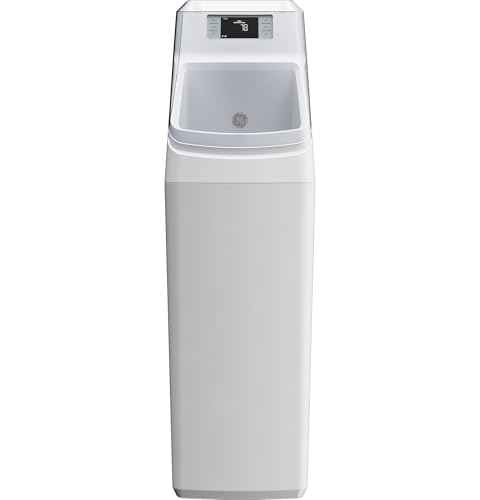
Experience the Difference of Softer Water - With this water softener, you can eliminate soap scum, have softer hair and skin, prevent plumbing damage, extend appliance life, have spotless dishes, and overall better-quality water to your whole house. This 30,000 grain softener accommodates households of up to 6 people.

AUTOMATIC SHUTOFF: Learns your home’s water usage patterns to identify abnormalities like running water or small leaks and will automatically turn off water to prevent damage

Getting the Settings Right
The best part is you’re not stuck with one-size-fits-all settings. Try this: spend some time establishing your home’s baseline water consumption. Every house uses water differently, so you’ll want to set custom flow thresholds that match *your* property, not some generic standard. This cuts down on false alarms and actually makes the system work better.
You’ll get real-time alerts on your phone whenever the system spots something unusual—weird flow patterns, pressure drops, temperature changes. You don’t have to babysit your phone or keep checking the app. The valve just does its job quietly in the background.
Frankly, that’s what automated systems should do: work without you having to think about them. Your home stays protected while you’re out of town, and you can actually enjoy your time away.
Real-Time Property Monitoring From Anywhere
Real-Time Property Monitoring From Anywhere
You’re about to leave for vacation and suddenly that nagging question hits: *Is everything okay back at the house right now?* Vacation mode handles the automatic shutoffs, sure, but what if something goes wrong while you’re three states away?
That’s where remote monitoring saves the day. Your smart water valve system sends real-time alerts straight to your phone using Z-Wave protocol. The moment anything feels off, you get notified instantly—no waiting around wondering if a pipe burst while you were at dinner.
You can check in anytime:
- Flow rates and water consumption patterns
- Temperature and pressure readings
- Usage statistics from anywhere in the world
- Instant leak detection before major damage happens
So, why does this matter? If abnormal flow starts happening—which usually means a leak—the system flags it immediately. You’re not sitting on a plane finding out about water damage when you land.
Frankly, this is what makes the system so useful for vacation rentals or properties you don’t visit often. You can’t physically inspect things daily, but you don’t have to. The monitoring does it for you. You’ll catch problems early, when they’re still fixable.
No more surprise disasters. No more calling a neighbor to check things out. You’re informed the moment anything needs attention, and you can actually do something about it.
Isn’t that peace of mind worth it?
DIY Installation Without a Plumber
DIY Installation Without a Plumber
Worried about calling a plumber for a smart water shutoff valve? Truth is, you don’t need one. These systems are built for homeowners to install themselves on standard residential pipes (the 1/2 to 1 1/4 inch ones most houses have). No pipe cutting required.
The setup is straightforward. Most smart shutoff valves use quarter-turn ball valves that connect through simple compression fittings directly to your main water line. You’ll need a wrench and adjustable pliers—tools you probably already have in your garage. Installation typically takes about thirty minutes, even if you’ve never done this kind of work before.
Why does this actually matter? Because it means you’re not paying a plumber $200-400 just to screw on a valve. You’re handling it yourself and saving real money.
The technical side won’t trip you up. Manufacturers include detailed installation guides with step-by-step photos and instructions written for regular people, not just contractors. Honestly, if you can follow directions and use basic tools, you can do this.
Here’s the practical stuff:
- IP66 waterproof rating keeps things safe in damp utility spaces
- Battery backup means your shutoff still works if the power goes out
- You get protection even when you’re away from home
The best part is how quick the whole thing takes. Once you’ve installed it, you’re done and protected against water damage.
Recommended Products

BACKFLOW PREVENTION: The Watts Lead-Free Bronze Double Check Valve Backflow Preventer Assembly is designed to prevent the backflow of polluted water from entering into the potable water supply due to back-siphonage and/or backpressure in accordance with national plumbing codes and water authority requirements.

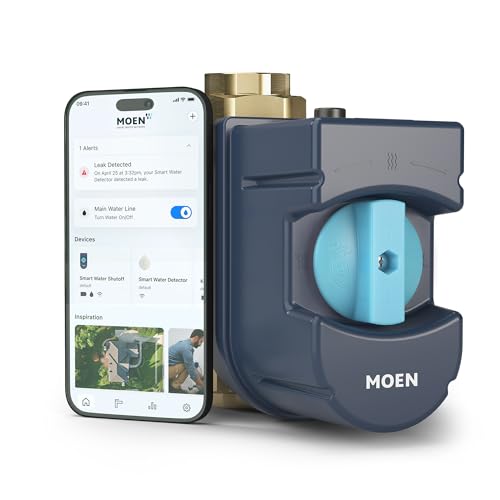
AUTOMATIC SHUTOFF: Learns your home’s water usage patterns to identify abnormalities like running water or small leaks and will automatically turn off water to prevent damage
Smart Water Control for Rental Properties
Ever get that sinking feeling when you realize a tenant’s been living with a leak for three weeks and you’re about to see the water damage bill? That’s the nightmare I wanted to avoid when managing multiple rental units across different neighborhoods.
Smart water shutoff valves solved a real problem for me: tenants don’t always call about leaks, and vacant units can sit quietly falling apart until it’s too late. I needed a way to catch these issues before they turned into five-figure repairs.
The tech does two things really well. Real-time flow monitoring across all your properties lets you spot weird usage patterns—the kind of spike that signals a hidden leak. The system then shuts off water automatically if something goes wrong, protecting your investment without waiting for a tenant to notice or report anything.
Why does this matter? Because you’re not sitting around refreshing your phone hoping for alerts. You get instant notifications on your smartphone and can control valves remotely from anywhere. It’s actual peace of mind, not just the idea of it.
The numbers back this up:
- Water damage claims dropped by 96% across properties using the system
- 60% of new installations uncover unknown leaks within the first month
- Remote shutoff prevents the cascade of problems that follow a burst pipe
Honestly, the biggest win isn’t the dramatic leak prevention (though that’s huge). It’s catching small issues early—a slow drip in a wall, a toilet that won’t stop running—before they compound into real damage.
For anyone managing rental properties, this kind of protection isn’t optional. It’s the difference between staying ahead of maintenance and playing catch-up with disaster cleanup. What’s keeping you from implementing something like this in your portfolio?
Frequently Asked Questions
What Pipe Sizes Are Compatible With Smart Water Shutoff Valves?
I can tell you that smart water shutoff valves accommodate pipes ranging from 1/2 to 1 1/4 inches in diameter. They’re designed as quarter-turn ball valves, so you’ll find the valve dimensions fit standard residential piping without requiring any pipe modifications or cutting.
Does the System Operate During Power Outages or Internet Disruptions?
I’m glad you asked about reliability. These systems include battery backup ensuring they’ll operate during power outages. However, internet disruptions may limit remote app access, though the inline valve still functions independently for leak detection and automatic shutoff.
How Quickly Does the Valve Close When a Leak Is Detected?
I’d love to tell you the exact closure speed, but here’s what matters: our valve’s leak detection and valve response are instantaneous upon abnormality. You’re protected from catastrophic damage before you’d even notice something’s wrong at home.
Can Multiple Properties Be Monitored Through a Single Smartphone App?
Yes, I can monitor multiple properties through a single smartphone app. The app integration enables seamless multi-property management, allowing you to remotely control and receive alerts from all your water valves across different locations simultaneously.
What Is the Typical Cost of Smart Valve Installation and Maintenance?
I don’t have specific pricing details in my knowledge base, but I can tell you that installation costs and maintenance expenses vary by system type and provider. I’d recommend contacting manufacturers directly for current quotes on smart valve systems that fit your needs.