
When your delivery code’s compromised, liability hinges on whether the platform employed reasonable security measures—encryption, two-factor authentication, and password protocols. Courts typically hold platforms accountable for inadequate protections rather than drivers, since platforms maintain operational control through GPS tracking and route management. Your standard auto insurance won’t cover this; gig protection mandates now require supplemental coverage. Documentation—screenshots, incident photos, GPS data—strengthens claims against the company. Consulting a gig-economy attorney clarifies your contractor status and corporate control liability factors before pursuing action. Understanding platform negligence versus your coverage limitations determines your next steps forward.
Key Takeaways
- Platforms can face legal liability for failing to implement adequate security measures like encryption and multi-factor authentication on delivery codes.
- Delivery drivers are typically not held personally liable due to platform operational control, including GPS tracking and route management systems.
- Standard auto insurance excludes commercial delivery work, leaving drivers with significant financial gaps during active delivery orders.
- Compromised delivery codes grant unauthorized access to secured areas, creating liability for property damage or personal harm involving multiple parties.
- Drivers should document incidents thoroughly, consult gig worker attorneys, and review platform contracts to establish corporate control liability and strengthen claims.
What Happens When a Delivery Code Is Compromised?
What Happens When a Delivery Code Is Compromised?
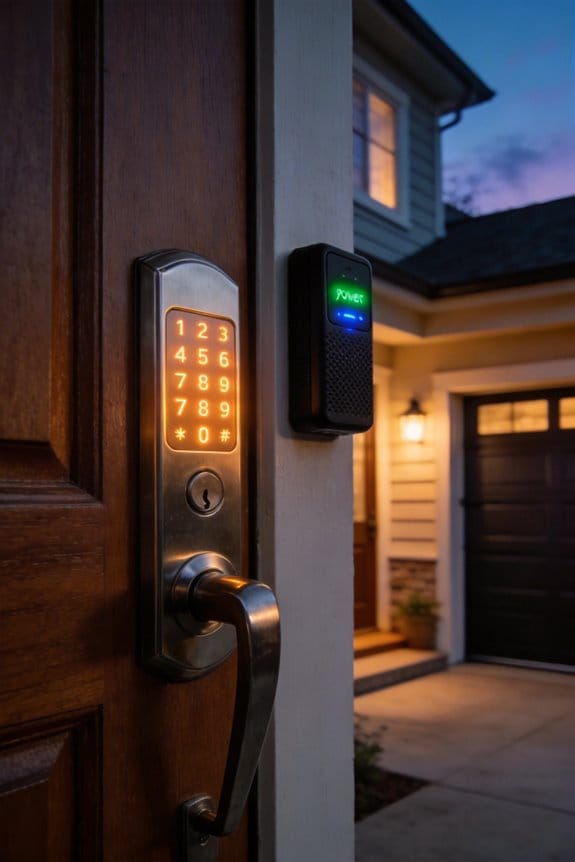
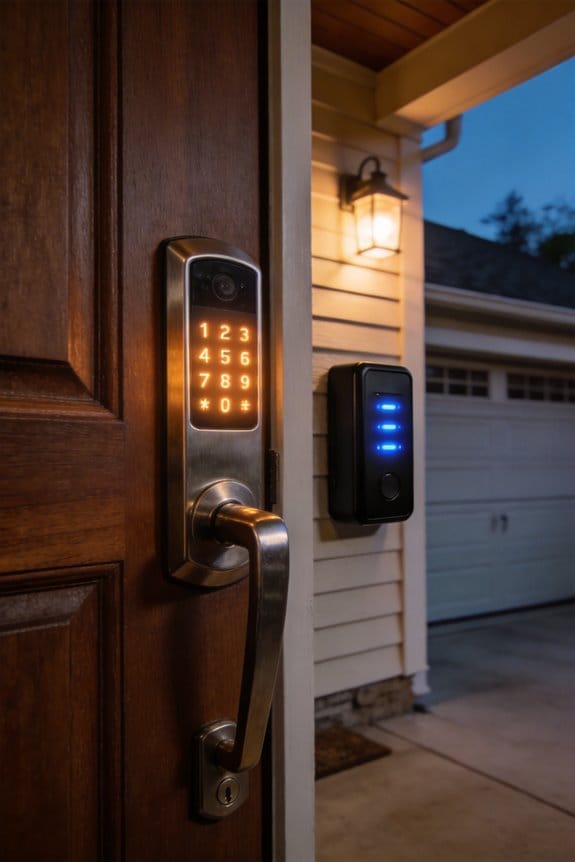
Your delivery driver’s PIN or digital access code is basically a master key to apartment buildings, offices, and secured areas. When that code gets stolen or leaked, it’s not just a minor security hiccup—it opens the door to real problems.
Think about it: a stranger now has access to buildings they shouldn’t be in. They could damage property, hurt someone, or create a mess that costs real money to fix. So who pays for that damage? The delivery platform, the driver, or someone else entirely?
The liability gets complicated fast. Courts are starting to ask hard questions about how platforms handle these credentials. Did the company use encryption to protect the codes? Did they require two-factor authentication? Were they monitoring for suspicious activity in real time? If the answer to any of these is “no,” that’s a red flag for the platform’s negligence.
Honestly, this matters more than you might think. Here’s why: when a security breach happens, lawyers can use it as proof that the platform controls driver operations closely. That shifts accountability away from the driver being an independent contractor and toward the company itself. That’s a big deal in court.
The best part is that better security measures aren’t even that complicated—encryption, alerts for unusual access patterns, requiring drivers to update codes regularly. But not every platform bothers.
Bottom line: a compromised delivery code isn’t just an inconvenience. It’s evidence that can change who gets sued and who pays damages. Does your delivery platform take code security seriously?
How Platforms Become Liable for Code Security Failures

How Platforms Become Liable for Code Security Failures
When you order food from your favorite delivery app, you’re probably not thinking about whether your delivery code is encrypted. But here’s the thing—or rather, here’s what matters: if that code gets stolen, you could be looking at fraud, theft, or worse, a breach of your personal information. And when that happens, the platform that failed to protect you might actually be on the hook legally.
It starts with negligence. Courts are increasingly asking: did the company do what it reasonably should have done to keep your data safe? That means looking at how they designed their systems, what safeguards they put in place, and whether those protections match what a company of their size and resources could actually afford to build.
The real problems pop up in the details. Unencrypted delivery codes sent over the internet, weak password rules that let people use “password123,” APIs that anyone can access without proper verification—these aren’t accidents. They’re predictable failure points that hackers exploit every day. Companies like DoorDash and Instacart have faced serious questions about why they weren’t requiring two-factor authentication or setting expiration dates on codes that eventually expire on their own.
So why does this matter to you? Because if you get ripped off or your data leaks, you might have legal grounds to sue. The platform’s negligence directly caused your loss.
The good news? Regulatory pressure is forcing change. More rules are coming that demand:
- Real encryption standards
- Multi-factor verification (making it harder to hack accounts)
- Regular security audits that actually test whether systems work
These aren’t just nice-to-haves anymore. They’re becoming measurable standards that companies have to meet.
Honestly, the shift toward holding platforms accountable is overdue. You shouldn’t have to worry about whether a major company took shortcuts with your security. The more legal pressure they face, the faster they’ll invest in doing it right.
What’s your biggest concern when you use delivery apps—is it the security itself, or the hassle of extra verification steps?
Recommended Products

Fortinet FortiTokenMobile 50 User License (FTM-ELIC-50)

[Ultimate Security & Durability] ELLIPAL Titan Mini hardware wallet features an Air-gapped system that ensures the device does not connect to any network or other devices, avoiding any remote attacks from hackers. The cold wallet also has a reinforced metal casing, it is not an easy task to damage it. Got stolen? This cold wallet comes with anti-tampering & anti-disassembly technology so that if the internal chip is dismantled by violence, it self-destructs. 100% security on your asset!

POWERFUL SECURITY KEY: The YubiKey 5C NFC is the most versatile physical passkey, protecting your digital life from phishing attacks. It ensures only you can access your accounts.
Why Delivery Drivers Usually Aren’t Responsible

Why Delivery Drivers Usually Aren’t Responsible
Got into a fender-bender while making deliveries? You might be surprised to learn that you’re probably not the one facing the legal fallout.
Here’s what actually happens: courts look at who’s really in charge. If DoorDash or Amazon controls your routes, tells you how fast to drive, brands your car, and schedules your shifts through an app, they’re acting like your employer—even if they call you an independent contractor. That distinction matters more than you’d think.
Think about it this way: these platforms make serious money off delivery operations. They set the rules, demand speed, and push you to meet customer deadlines. Yet they try to dodge responsibility by saying you’re not really their employee. Doesn’t seem fair, right?
The law’s actually catching up to this. Judges are looking at the real facts:
- GPS tracking data showing constant monitoring
- App records proving platform control
- Documentation of supervision and work conditions
When evidence like this piles up, courts increasingly hold the companies accountable instead of the driver.
So why does this matter for you? Your personal liability shrinks when that corporate control becomes clear. If you get sued after an accident, you’ve got ammunition—proof that someone else was pulling the strings all along.
Honestly, understanding how this works protects you when things go wrong. You’re not just some random person on the road; you’re operating under a system someone else designed and profits from.
The takeaway: don’t panic if an accident happens during a delivery run. Document everything showing how the platform controlled your work, and let the evidence speak for itself.
Your Insurance Probably Won’t Cover a Compromised Code
Your Insurance Probably Won’t Cover a Compromised Code
When your gig platform’s system gets hacked and you’re left holding the bag, your insurance company won’t be picking up the phone to help. That’s the frustrating truth most delivery drivers don’t learn until it’s too late.
Here’s what actually happens: Your standard auto policy explicitly excludes commercial delivery work. Period. You’re operating in a gap between personal and commercial coverage, and insurers know it. When a compromised delivery code causes financial loss or property damage, your gig platform only covers you during active orders—a window so narrow it barely counts. So why does this matter? Because platform breaches aren’t your fault as a driver. They’re infrastructure failures on the corporate side.
Frankly, the liability mess gets worse from there. When you file a claim, your insurer will deny it. They’ll point to your policy terms and say the work falls outside coverage. You’ll be stuck paying out of pocket while the company that actually failed takes zero responsibility.
But here’s the thing: You’re not completely powerless.
Document everything about platform control using your app data and GPS records. Screenshot messages, in-app instructions, and delivery protocols. Keep records of when you were told to use specific codes or systems. This paper trail proves the platform controls how you work—not the other way around. Try this: Save weekly exports of your app activity and location data to an external drive.
The harder reality is this—even with solid documentation, you might face months or years of out-of-pocket costs waiting for litigation or regulatory action to hold the company accountable. It’s exhausting, and it’s unfair.
Recommended Products

Eye-catching Design- Auto Insurance Sign is bright, easy to catch eyesight of passers-by or adding ambiance to personal;

CLEAR, DIRECT MESSAGE - Politely tells visitors and delivery drivers not to knock or ring the doorbell and to leave packages at the door.

Extra wide- 3 feet x 12 feet tall
State Regulations Now Require Platform Accountability
State Regulations Now Require Platform Accountability
If you’ve ever wondered who’s actually responsible when something goes wrong during a delivery, you’re not alone. A bunch of states have started cracking down on delivery platforms, and the changes are pretty significant for both the companies running these services and the drivers doing the work.
Here’s what’s actually happening: states are now requiring platforms to carry specific insurance and maintain certain liability minimums. Pennsylvania’s a good example—they’ve set baseline requirements, though frankly, a lot of experts think those minimums don’t go far enough, especially in situations involving serious, long-term injuries.
Beyond just insurance numbers, regulations are getting more detailed. Platforms now have to keep clear records about how they classify drivers, run GPS tracking systems, and report accidents properly. So, why does this matter? Because it creates a paper trail. When something happens, there’s documentation showing who’s responsible.
What you’ll also see is that platforms are being pushed to do more training, manage schedules better, and enforce safety standards across the board. These aren’t suggestions—they’re mandated requirements that companies actually have to follow.
The good news for you as a driver or someone injured in a delivery-related incident? This shift actually works in your favor. The clearer responsibility chains mean better access to insurance payouts when you get seriously hurt, and there are now enforceable standards protecting both drivers and the general public.
Think about it: clearer rules mean fewer gray areas when you need help. That’s worth paying attention to.
What You Need to Do Right Now
If you’re driving for a gig app or you’ve gotten hurt on a delivery job, you need to act fast. The new rules I talked about earlier mean there are real steps you can take right now to protect yourself.
Get Your Driver Status Straight
Start by pulling up your platform contract and actually reading through it. Compare what the contract says against how the company actually treats you day-to-day. Look at the control factors: Does the app decide your route for you? Are you required to use company branding on your car? Can you pick and choose when you work, or does the platform pressure you into certain hours? These details matter because they prove whether you’re really independent or if the company’s calling the shots.
Check Your Insurance Coverage—Seriously
A lot of gig workers skip this step and it costs them later. Pull up your current insurance policy and see what’s actually covered while you’re working. Honestly, most personal auto policies have gaps during active deliveries. The good news? New gig protection mandates require platforms to provide supplemental coverage during deliveries. Don’t assume you’re covered—verify it directly with your platform’s support team.
Document Everything at the Scene
Here’s the trick: treat every incident like it matters, because it does. Take photos of the accident scene, your vehicle, any property damage, and the other vehicle involved. If you have a dashcam, save that footage. Grab your GPS data and screenshots showing your order status at the exact time of the incident. Why does this matter? These records become your proof of what actually happened, and companies will try to distance themselves from responsibility if you don’t have documentation.
Talk to an Attorney Who Actually Knows This Area
This isn’t the time to go it alone. Find a lawyer who specializes in gig worker claims and understands how these platforms operate. They’ll help you establish corporate control liability—basically proving the platform was directing your work when you got hurt. A good attorney strengthens your entire case before you even file a claim.
The bottom line: you’ve got concrete tools now. Use them. What’s stopping you from taking that first step today?
Recommended Products

Ready-to-Record 256GB eMMC Storage: Experience ultimate convenience with AZDOME M660 Pro dash cam's integrated 256GB eMMC storage, eliminating the need for external memory cards and ensuring 100% compatibility from day one. This internal memory offers faster read/write speeds and a significantly longer lifespan than traditional SD cards, providing a more reliable, "plug-and-play" surveillance solution for the modern driver.

Easy Installation & All-Inclusive Kit: The Eagle 4G LTE Dash Cam for vehicles comes with everything you need for a quick installation, including the dash cam, wiring harness, screws, attachment bracket, relay, double-sided adhesive tape, and installation instructions.

【4 Channel Ultra HD 4K Recording】Neideso N900 car video recorder system records all four channels simultaneously for full 360° coverage. The front camera captures real 4K video at 3584×2688P, while left, right, and rear cameras record Full HD 1080P, capturing sharp road details and license plates day and night. Each camera features a 150° wide-angle lens to reduce blind spots and capture complete road evidence, ideal for daily driving, rideshare, and fleet use.
Frequently Asked Questions
Can a Delivery Driver’s Personal Auto Insurance Cover Losses From a Compromised Delivery Code?
No, it won’t. Your personal insurance explicitly excludes commercial delivery liabilities. You’d need specialized coverage because standard policies don’t protect gig workers during active deliveries—that’s a critical gap you shouldn’t ignore.
How Does Gig Worker Classification as Contractor Versus Employee Affect Liability for Code Breaches?
I’ll tell you straight: when you’re classified as a contractor, you’re personally liable for code breaches, not the company. As an employee, the employer shares liability implications. That contractor versus employee distinction fundamentally shifts who’s responsible and who pays.
What Evidence Proves Platform Control Over Driver Behavior During Compromised Code Incidents?
I’ve seen platforms deploy GPS tracking like invisible leashes—proving control through real-time location data, app notifications timing deliveries, and speed records. This evidence demonstrates platform responsibility over driver accountability, establishing corporate liability when codes get compromised during monitored work.
Are Gig Drivers Entitled to Workers’ Compensation if Code Compromise Causes Injury?
I’ll tell you directly: most gig drivers aren’t entitled to workers’ compensation claims because platforms classify you as independent contractors. Your gig worker injuries typically aren’t covered, leaving you vulnerable if a code compromise causes harm while you’re working.
How Do Delivery Code Breaches Interact With Existing State Minimum Liability Requirements?
I’ll help you understand how delivery code breaches interact with liability requirements. State regulations mandate minimum coverage, yet insurance policies often exclude gig work entirely. When codes are compromised, you’re left exposed—state minimums prove inadequate for actual damages, leaving you underprotected.