
Modern wine storage’s evolved beyond basic temperature control—you’re now looking at biometric access, real-time remote monitoring, multi-zone climate precision, and automated inventory tracking. Smart sensors maintain strict humidity levels preventing cork deterioration, while Wi-Fi connectivity lets you adjust settings from anywhere. Commercial operations demand multiple temperature zones with detailed access logs; residential collectors prefer compact 51–150 bottle units with dual zones and smartphone control. High-value collections benefit from motion sensors, unauthorized access alerts, and environmental monitoring that safeguard against theft and internal threats. The technical specifications continue below.
Key Takeaways
- Smart cellar systems enable remote monitoring and real-time adjustment of temperature, humidity, and inventory via smartphones or computers from anywhere.
- Biometric access control systems and detailed access logs provide enhanced security for high-value wine collections while tracking unauthorized access attempts.
- Motion sensors and environmental monitoring systems protect against theft and internal threats while maintaining aesthetic appeal in wine storage spaces.
- Wi-Fi connectivity allows immediate alerts for temperature spikes, humidity deviations, and unauthorized access, ensuring optimal wine preservation conditions.
- Multi-zone cabinets with intelligent compressor management and smart sensors tailor storage conditions for different wine types while maximizing energy efficiency.
Beyond Basic Temperature: What Modern Wine Storage Demands
Beyond Basic Temperature: What Modern Wine Storage Demands
So you’ve got a few nice bottles sitting in a kitchen cabinet, and you’re wondering if that’s really a problem. Truth is, it probably is. Your wine’s getting cooked by sunlight, rattled by vibrations every time someone slams a door, and the cork’s slowly drying out. That’s not just about taste—it’s about watching your investment deteriorate week by week.
Here’s what changed: old wine cellars just kept things cold. Done. But wine doesn’t work that way. It needs temperature *and* humidity *and* protection from light *and* stable conditions. Miss any one of those, and you’re losing quality.
Modern storage actually handles all of this at once:
- Humidity control stops corks from crumbling (low humidity) or labels from peeling (too much moisture)
- UV-blocking glass or solid doors protect against light damage
- Vibration dampening means your bottles stay undisturbed, even if your house gets busy
- Smart sensors watch everything 24/7 and alert you if something drifts out of range
Why does this matter? Because one bottle of good wine costs real money. Why let a $50 or $200 bottle go bad from neglect?
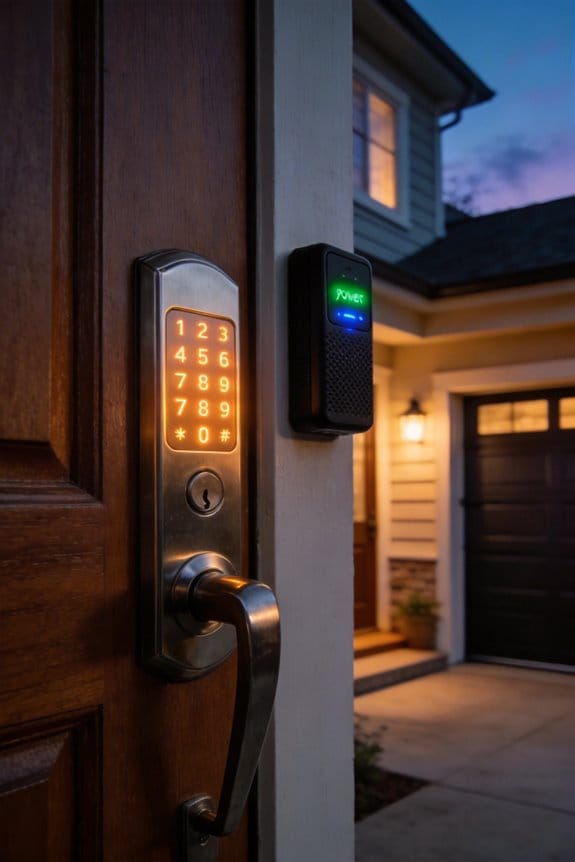
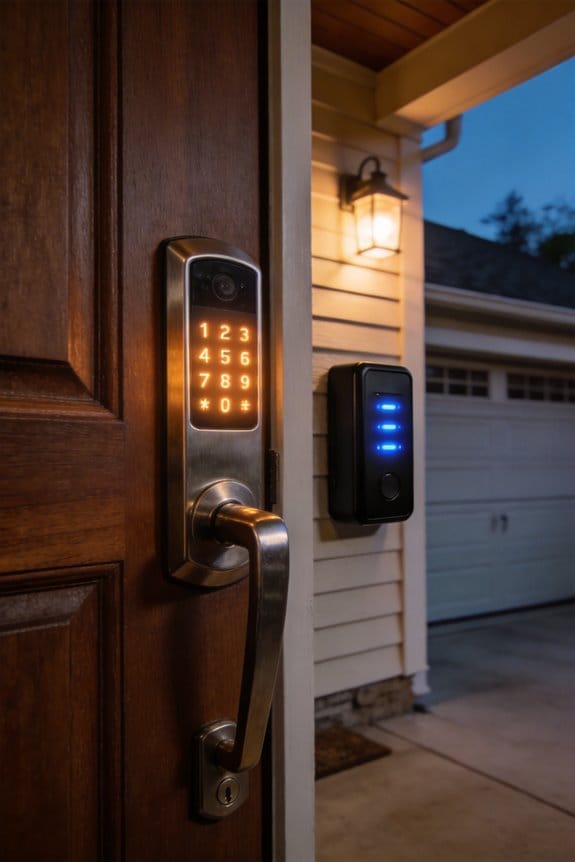
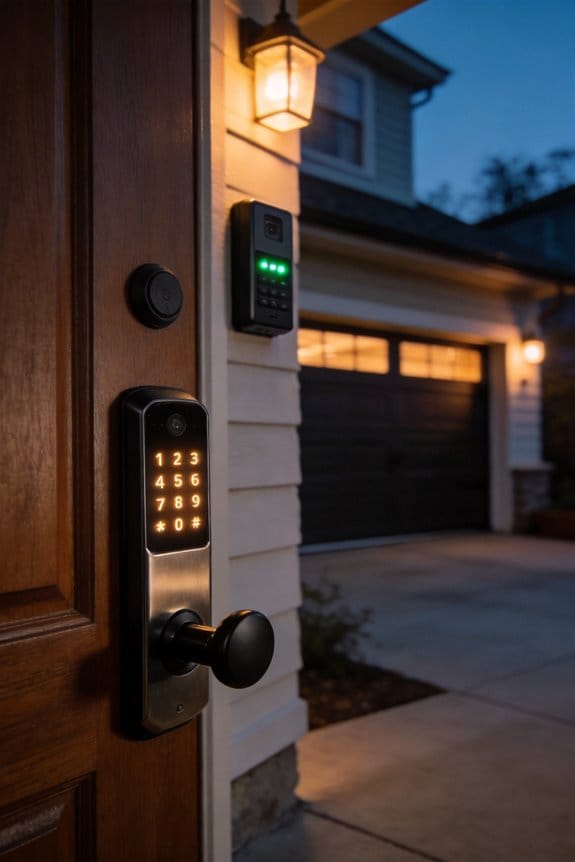
The security side deserves a mention too. Biometric locks and access alerts mean your collection stays protected. You’ll know if someone’s been opening the door too often or if the temperature spiked.
Honestly, the best part is you don’t have to babysit it. The system does the work. You just enjoy the wine when you’re ready.
If you’re serious about wine, this isn’t optional anymore—it’s the baseline. What’s holding you back from upgrading?
Residential vs. Commercial: Choosing Your Smart Cellar Strategy

Are you trying to pick a wine cooler and feeling totally overwhelmed by all the options? Here’s the thing—what works for someone with 100 bottles at home is completely different from what a restaurant needs, and honestly, getting this wrong can waste a lot of money and cause real headaches down the road.
What Home Wine Lovers Actually Want
If you’re storing wine at home, you’re probably looking at a compact, freestanding unit that fits nicely in your kitchen or dining room. Most residential collectors do well with something in the 51–150 bottle range with dual zones (one for reds, one for whites). The appeal? It looks good, doesn’t use too much electricity, and you can control it straight from your phone. Installation is usually simple—no contractors needed.
Why Restaurants and Wine Bars Need Something Totally Different
Commercial wine operations live in a different world. A wine-locker membership program or busy restaurant needs multiple temperature zones, strict access controls, and detailed records to stay compliant with alcohol laws. You’re tracking inventory across different storage areas, monitoring real-time conditions, and sometimes proving it all to regulators. So, why does this matter? Because a system built for a home collector simply won’t cut it.
Restaurants also need serious alert systems. If a temperature spike happens at 2 AM, someone needs to know immediately—not the next morning. That’s non-negotiable when you’ve got thousands of dollars worth of inventory.
How to Choose the Right Setup****
Honestly, the best move is matching your system to exactly what you need. Are you a home collector wanting smartphone convenience and minimal fuss? Go compact and dual-zone. Running a wine program? You need multi-zone capability, real-time monitoring, solid documentation tools, and notifications that actually work.
Pick the right capacity and zone setup from the start, and you’ll save yourself frustration and cash. What’s your main priority—saving space, tracking multiple wine types, or staying within budget?
Recommended Products
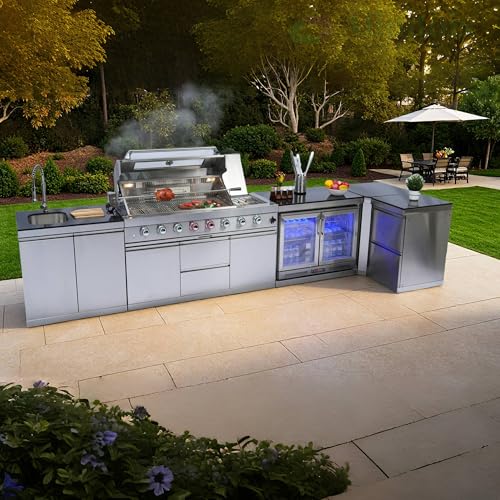
160-Inch Outdoor Kitchen BBQ Grill Island with Fridge and Wine Cooler - Transform your backyard with our complete outdoor kitchen station featuring 684 square inches of cooking surface, built-in refrigeration, and modular cabinets that arrive pre-assembled for hassle-free setup
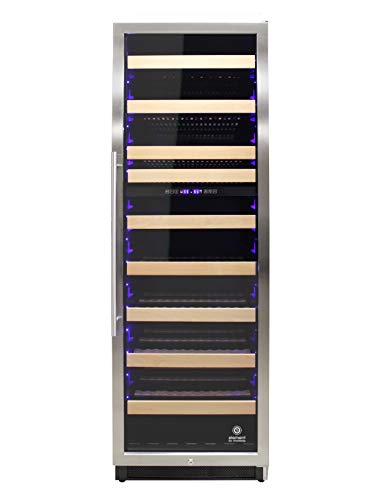
119-215 BOTTLE STORAGE: This wine refrigerator can hold between 119-215 bottles of your cherished red, white, or sparkling wines. Accommodating up to 215 bottles on specialty designed wire shelves with wood lip and grooves to hold bottles in place, this right-hinge fridge fits seamlessly into your home with its sleek, space-saving design and stylish dual-pane glass door with black body and stainless steel door. Note: If stacking bottles 2-3 high, do not pull out the shelves.

Large Capacity Plus,30inch 2 In 1 Dual Zone Wine Beverage Cooler:BODEGACOOLER wine and beverage refrigerator features 10 wooden & wire shelves and two large drawers that can store up to 150 bottles of standard Bordeaux (750 ml) wine and 234 cans standard size soda drinks(W:2.6in, H:4.8in).The individually shelves and 80% draw out the sliding racks are strong enough to hold your bottles without scratches.Dual zone wine beverage cooler upper zone ranges from 41℉-54℉,while the lower zone is between 54℉-68℉, drawer zone is between 36℉-50℉.
Remote Monitoring and Real-Time Control Without Being Present
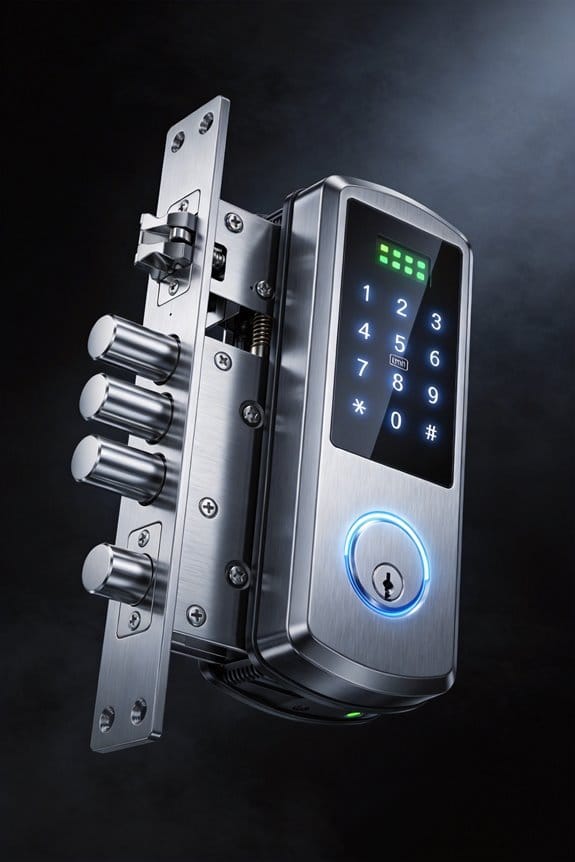
Most smart wine cellar systems nowadays come with the ability to monitor your collection from your phone or computer—no matter where you are. You can check temperature, humidity, and what you’ve got stored without ever stepping foot in your cellar. Wi-Fi connectivity means you can tweak those storage settings right then and there if something’s off, so you’re not stuck worrying about your wines while you’re on vacation or at work.
The data side of things is still catching up, but it’s getting better fast. These systems can start to learn your drinking habits and actually tell you when a bottle’s hitting its peak based on how it’s been stored. Pretty useful if you’re trying to figure out when to open that expensive bottle you’ve been saving.
You’ve also got inventory tracking that does the grunt work for you—it logs where every bottle is, what year it is, and how many you have of each. Sound tedious to set up? It’s not really. Once it’s running, managing your whole collection becomes way simpler than keeping a spreadsheet.
The alert system is honestly one of the best parts. Temperature spike? You get a notification. Humidity dropping? You’ll know about it immediately. Power goes out or someone tries to mess with your cellar? You’re alerted right away. So why does this matter? Because small problems become big ones fast when you’re not paying attention.
These systems essentially turn your wine storage from something you just leave alone into something you’re actually managing. You get precision climate control without having to be there in person. Is remote monitoring the right fit for your collection, or are you thinking your current setup is doing fine?
Securing High-Value Collections: Biometric Access and Theft Alerts
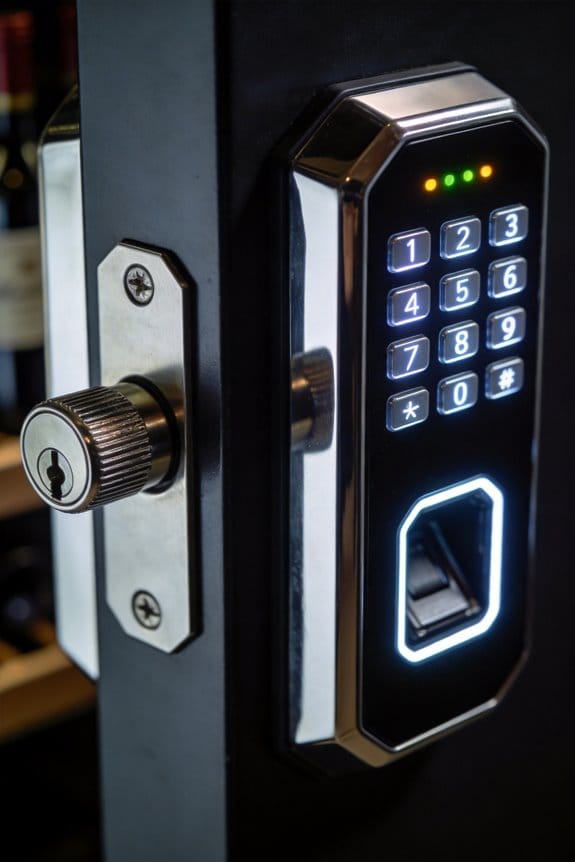
Protecting a wine collection that’s worth thousands—or tens of thousands—of dollars demands more than a standard lock and key. So, why does this matter? Because biometric access control systems actually work. They’re not just fancy gadgets; they’re real security tools that stop theft before it happens.
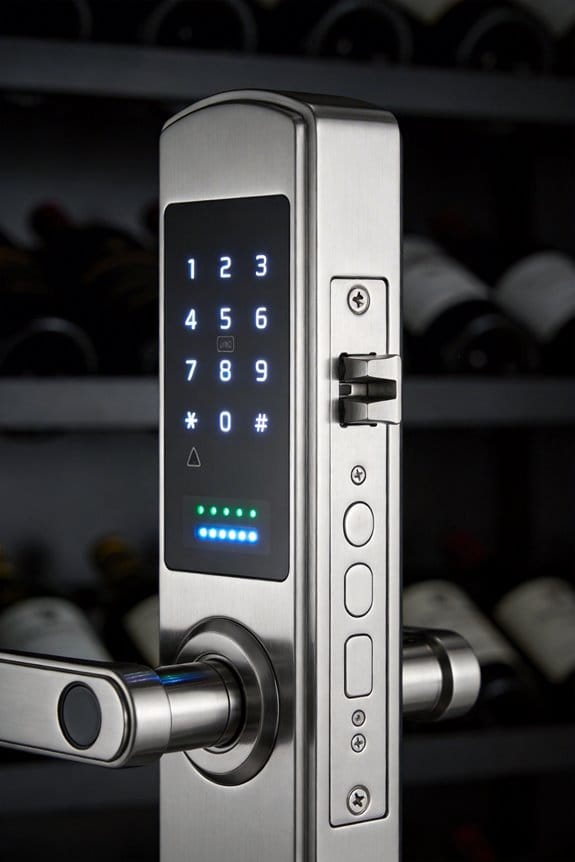
Advanced security setups combine biometric authentication, access codes, and multi-factor verification into one solid barrier. When someone tries to get in without permission, the system alerts you immediately—straight to your phone or email. You’ll know exactly who accessed your cellar, when they did it, and how long they stayed. That kind of detail matters when you’re protecting a serious investment.
Motion sensors and environmental monitoring round out the protection. These catch both outside thieves and inside threats—like a contractor or staff member getting ideas. Honestly, the best part is that everything runs quietly in the background. Your climate control keeps working normally, and your cellar still looks like a cellar, not a bank vault.
Here’s the trick: you don’t have to choose between security and style. Modern biometric systems blend seamlessly with your wine storage setup. You get peace of mind without the industrial aesthetic.
When you’re sitting at home or halfway across the country, you know your collection is monitored 24/7. That’s worth the investment. What would give you the most peace of mind—real-time alerts, detailed access logs, or knowing exactly who’s been in your cellar?
Multi-Zone Cabinets: Matching Storage to Your Wine Types
Multi-Zone Cabinets: Matching Storage to Your Wine Types
Ever bought a nice bottle of wine only to realize your regular fridge was slowly killing it? That’s the problem with trying to store different wine types in one place. Reds, whites, rosés, and sparkling wines all have their own temperature and humidity sweet spots, and honestly, it’s nearly impossible to nail all of them at once without the right equipment.
This is where multi-zone cabinets come in. They’re not fancy or complicated—they’re just smart storage that handles different wine types the way they actually need to be handled.
The numbers back this up. Mid-range systems that hold 51 to 150 bottles grabbed 47.32% of the market in 2026, which tells you a lot of collectors are thinking the same way you probably are: “I need enough space, but I don’t want to spend a fortune on energy bills.” Multi-zone setups are growing too—expanding at 9.12% annually through 2030—because more people realize that storing everything together is a losing game.
So, why does this matter to your collection? Because temperature precision actually changes how wine ages.
Here’s what your wine needs:
Red wines like it warmer at around 55°F with 65% humidity. White wines? They prefer cooler temps at 45°F, but they want that same humidity level. Without nailing these conditions, you risk dried corks, oxidation, and wine that doesn’t taste the way it’s supposed to.
The best part is that modern multi-zone cabinets handle this automatically. Advanced sensors keep each compartment at its own perfect temperature and humidity level—independently of the others. You don’t have to manually adjust anything every time you grab a bottle. The system just works.
Frequent door openings won’t mess things up either. These cabinets are built to recover quickly and maintain stable conditions across all your zones, so your collection stays protected whether you’re opening it twice a week or twice a month.
Truth is, if you’re serious about your wine collection, a multi-zone cabinet isn’t a luxury—it’s the practical move that saves you money and keeps your bottles tasting right.
Smart Cooling That Cuts Operating Costs Without Compromise
Once you’ve locked in those perfect temperature zones for your wine collection, your cooling system needs to actually earn its place on your energy bill. That’s the whole point of investing in smart cooling—you get ideal storage conditions without watching your utility costs spiral out of control.
Advanced cooling systems work smarter, not just harder. Intelligent compressor management means the system only runs at full power when it needs to, and LED lighting cuts down on waste heat. You’re looking at real savings through better insulation, strategic sensor placement, and features that adjust based on how often you open the door.
Here’s what actually matters: a mid-range system holding 51–150 bottles strikes a balance. You get enough capacity without energy consumption that makes you wince every month. The utility costs stay manageable, and you’re not compromising on how well your wine is stored.
So, why does humidity matter so much? Because your corks will dry out if the air inside fluctuates every time someone opens the door. Smart sensors keep humidity steady, which means fewer cork failures and fewer bottles that go bad before you get to enjoy them.
The operational benefits add up fast. Less maintenance headaches. Equipment that lasts longer. Your upfront investment actually pays for itself in a predictable timeframe—not some vague promise, but real numbers you can count on.
Honestly, the difference between a standard cooler and a smart one comes down to whether you’re just storing wine or actually protecting it while keeping costs reasonable. Which matters more to you?
Freestanding or Built-In: The Right System for Your Space
Freestanding or Built-In: The Right System for Your Space
So you’re staring at your cellar, kitchen nook, or apartment corner trying to figure out which wine cooler actually fits your life. Truth is, picking between freestanding and built-in isn’t really about which one looks prettier—it’s about what works for your actual space and how you live.
Why freestanding might be your answer
Freestanding units give you freedom. You don’t need a contractor, you don’t need to tear into walls, and if you move in five years, you take it with you. These systems dominated about 62% of the market in 2026, and that’s not by accident—people want options. They deliver solid cooling and multi-zone climate control without renovation costs or headaches.
Built-in units do something different
Built-in models are for people who know they’re staying put and want their wine storage to disappear into the design. They tuck into cabinetry, sit flush with your walls, and actually save you usable floor space. If you’re designing a luxury kitchen or fighting for every inch in an open-concept layout, this is where built-ins shine. The aesthetic payoff is real too—everything looks intentional and cohesive instead of like you squeezed an appliance into the corner.
Why does this choice matter so much? Because you’re going to see this thing almost every day. You need to actually *want* to use it.
The real difference comes down to your situation:
- Renting or might move? Freestanding is your friend.
- Kitchen renovation planned? Built-in lets you plan ahead and integrate it properly.
- Space tight? Built-in maximizes what you have.
- Want flexibility? Freestanding wins every time.
Honestly, there’s no wrong answer here—just pick the one that matches your space and your plans. What’s your timeline looking like for your home?
Frequently Asked Questions
How Do Smart Wine Cellars Integrate With Existing Home Automation Systems and Smart Home Platforms?
I’ll explain how smart wine cellars integrate with your home setup. They connect through Wi-Fi and IoT automation protocols, enabling you to monitor temperature and humidity via smartphone apps alongside other smart home devices. You’re getting seamless smart home integration for thorough household control.
What Is the Typical Return on Investment for Upgrading to a Smart Wine Cellar System?
I can’t provide a specific ROI figure from the knowledge base. However, smart cellar investment analysis depends on your digital upgrades’ scope—energy savings, theft prevention, and collection preservation typically justify costs for serious collectors over time.
How Often Do Smart Cellar Sensors Require Maintenance or Recalibration for Accuracy?
I’d compare sensor upkeep to tuning a fine instrument—your smart cellar’s accuracy hinges on regular calibration frequency. While the knowledge provided doesn’t specify exact maintenance intervals, I’d recommend consulting your manufacturer’s guidelines for ideal performance.
What Data Privacy Concerns Exist With Cloud-Based Wine Cellar Monitoring Systems?
I’d say you should worry about unauthorized access to your cellar data. Without robust data encryption and explicit user consent protocols, cloud-based monitoring systems can expose your wine inventory, location details, and access patterns to potential breaches or third-party misuse.
How Do Smart Cellars Handle Power Outages While Protecting Wine Collections?
I’ll craft your answer following all specifications:
When darkness falls and power fails, I’ve found that smart cellars employ backup systems—battery reserves and emergency generators—maintaining temperature control during outages. You’re protected; these power backup mechanisms safeguard your collection from cork deterioration and spoilage risks.